I’ve been a high school English teacher for 31 years. I’ve taught AP Lit, College Writing, Creative Writing, and ACT Prep. I enjoy writing poetry, memoirs, short fiction, and literary analysis. My beautiful wife of 26 years and I have 4 children ranging from 16 to 24.
I’ve been a high school English teacher for 31 years. I’ve also coached golf and basketball and taught Driver’s Ed. My beautiful wife of 26 years and I have 4 children, ages 24, 22, 19, and 15.
Editor’s Note: Flash fiction is an ultra-short story, with many pieces falling under the 1,000-word mark. Despite its brevity, it remains a self-contained narrative that requires the traditional elements of fiction—such as a beginning, middle, end, characters, and conflict. This is a piece I wrote at a Writer’s at Work conference. We were tasked with writing a short story of 250 words or fewer, which was much harder than I anticipated. :
Something Left
Mama found it in the garage and tossed it in the garbage. After she fell asleep, I crept like a burglar into the backyard. The lid rattled, but I quieted it with both hands like I seen the bandman do with his cymbals. Sure enough, it was down bottom squished under a dead toaster oven. The Boston Red Sox. Daddy’s favorite team.
I tried it on. It was too big for me and looked silly on my head, tipping to one side or the other. It was stained awful and smelled like cobwebs, but I had something left that was Daddy’s. I liked to think he left it for me on purpose.
Then I heard Mama coming down the hall. I tore the hat off and sat on it. “Whatcha been creeping around for?”
“Nothin’. Just thought I heard something.” I was acting fidgety and knew I must be looking guilty.
“What’s that sticking out from under your behind, Pauley.” The hat was just too big to cover with my little rump. I was sweating now, standin’ there dumb, not knowing what to say. She jerked the hat out from under me.
She stood there silent like for awhile looking at my face and squeezing the hat in her fists. I didn’t dare look up. I just watched those hands. Then I saw the grip loosen a bit. She ran her fingers soft like over the red ‘B.’ I looked at her face and realized she wasn’t mad at all. Just sad. She put the hat back on me and I saw the corners of her mouth rise slowly.
By learning the Spirit of God and understanding it, you may grow into the principle of revelation. –Joseph Smith
Just as learning an instrument is a process, learning the language of the Spirit is a process. –Linda K. Burton
John Steinbeck wrote that “learning to read is probably the most difficult and revolutionary thing that happens to the human brain.” For me, learning to interpret the language of the Spirit has been just as challenging and transformative to my soul.
Over the last couple of decades, I have seen many friends and family members leave the LDS Church, including a sister and two of my own children. During that time, I had my own faith crisis, so I’m definitely in no position to judge anyone. Faith journeys are personal, and no two journeys are the same. Through my journey, I have learned to trust my spiritual impressions, but following the Spirit is a process that I am still trying to master. My journey has not always been the straight one described by Lehi, holding on to the metaphorical iron rod. In many ways, my path seemed unlikely to end with full-fledged Church activity.
In my childhood home, religion was like fine silverware—brought out and used only on special occasions, then polished and put away. My family would show our faces sporadically at Sunday meetings, but just as often worshipped in the mountains, at amusement parks, or on golf courses.
Some Sundays, while my friends were at church, I would follow my father on the local amateur golf circuit. One Easter morning, the family piled into the rear-facing seat of our navy blue station wagon, Easter baskets in tow. Free from the watchful eyes of Mom and Dad, my sisters and I gorged ourselves on jelly beans, malt balls, and chocolate eggs. We were off to Price, UT, to watch my dad compete in the Black Diamond Open golf tournament. I felt no guilt for missing Easter services at my home ward. We were having fun as a family, and I just hoped my dad played well enough to get us a prize from the pro shop.
If it wasn’t golf, or hiking, or picnics on Sunday, it was my father organizing a Sunday afternoon baseball game at the local high school ball field, much to the delight of neighborhood kids, and much to the chagrin of stricter Sabbath observers. We were clearly casual Christians who enjoyed the sociality of church membership in a ward with its movie nights, children’s carnivals, road shows, pioneer day celebrations, and ward basketball. No one in the family seemed to take the Gospel too seriously.
I have no memory of my parents teaching me to pray or read scriptures, though it may have happened. My only memory of scriptures was buying a Bible after my baptism — my name stamped in gold on the cover. The temple was rarely mentioned, perhaps because it was a sore spot for my father. My parents had been married civilly in a courthouse in Reno, Nevada, not a temple like many of my friends’ parents. My dad always said he had wanted a “temple marriage” with my mom, but she had never been interested. We attempted the occasional family home evening lesson, half-heartedly, but my parents largely left our religious education to Primary and Sunday School teachers. Still, my early childhood was a happy one. I learned more about unconditional Christlike love from my parents than I could have in any class. They would have sacrificed anything for their children.
The Orem, UT 33rd Ward chapel. My home ward for my first 11 years.
What I remember most from junior Sunday School and Primary is the music. Sister Shari Schauerhammer instilled in me a love of spiritual music that still lives to this day. I was one of the most enthusiastic singers in Primary, so much so that Sister Schauerhammer convinced my best friend Ben and me to sing “As I Have Loved You” in Sacrament Meeting. We brought our mothers to tears that day, which was ironic since we were two of the biggest troublemakers in Primary.
Ben and I were so disruptive that Primary leaders considered splitting our one class into two. Our antics even drove Carol Miller, our primary teacher and Cub Scout leader, to quit. One day, she just walked out of our Primary class, never to return. This was particularly embarrassing to my mom because Carol was our next-door neighbor. I still feel a pang of guilt and apologize every time I see her.
Religion never mattered much to me until age 11, when my parents got divorced. After the divorce, my parents had a split custody arrangement, but my mom had lost interest in the church, so I began attending church across town in my Dad’s ward. Within months of the divorce, my mom’s new boyfriend moved in, and Bishop Buckwalter initiated church discipline proceedings for my mom. I remember seeing several official communications from the bishop around the house, all of which my mom ignored. Within a few months, my mom had officially exited the church, though it did little to change the way I viewed her. I have never met a more tender-hearted person in my life. She never spoke ill of the church nor discouraged mine or my younger sister Robin’s attendance. There was no animosity toward the Church–I just don’t think she had ever developed a testimony. My two older half-sisters followed her lead and never returned.
After the divorce, my dad became more focused on the Gospel than he had ever been before. I think he felt responsible for our spiritual upbringing and took us to Church nearly every Sunday —plus, there was the bonus of getting us a little extra time every week. My father’s devotion to the Gospel continued to ebb and flow. As a young man, he had turned down an offer to serve a mission after enlisting in the Navy during the Korean War, but he still took great pride in his church membership as a serviceman. For example, he was a fierce proponent of the Word of Wisdom until the day he died, never letting alcohol, tobacco, tea, or coffee touch his lips. Dad never really studied the gospel in any depth. He was not much of a reader, but he would still find inspiration in general conference talks, which he would buy on audio cassettes. His favorite speakers were Thomas S. Monson, Bruce R. McConkie, Paul Dunn, and LeGrand Richards. Yet his loyalty had its limits. When asked by Marvin J Ashton, a future Apostle, to abandon Sunday golf to be eligible for the All-Church Golf Tournament, my dad said, “No, thank you,” and continued to play golf on Sunday.
Robin and I attended church with my father in a ward of apartment complexes and a few old, modest homes. Many in the ward referred to it as a “newlywed and nearly dead’ ward. Unlike my previous ward, the youth organization was very small. I was ordained a deacon and quickly noticed how different things were in this ward. Our deacon’s quorum president, Marcus, had apparently been given this calling for his own spiritual growth — an opportunity he didn’t want. He rarely showed up at church, and I remember the quorum going to his home to drag him to church more than once.
I was also not impressed with my Deacon’s Quorum advisor, a tall red-haired man named Brother Gappmeyer. He was humorless, talked over our heads, and rarely came prepared for Deacon’s Quorum meetings. However, I was impressed with my bishop, Mark Nixon.
It was a special treat when Bishop Nixon visited our quorum. Bishop Nixon carried his calling with dignity and had a way of speaking to us at our level. His words spoke to our hearts, and the normally noisy deacons noticed it. The room would go quiet when he addressed us. Though we were little punk 12-year-olds, he treated us like the young adults he wanted us to become. I remember him telling us that the number one thing we should be preparing for was serving a full-time mission. In many ways, it was nice to have a fresh start in a new ward without the baggage of my parents’ divorce hanging over me. With such a small number of young men, I felt needed and appreciated.
I trace the beginnings of my spiritual understanding and testimony to two temple trips I took as a young man. The first was a trip to the Provo Temple to do proxy baptisms. I had always admired the beauty of temple exteriors, lighting the night sky across the valley, but wondered at the mysterious activities inside. When our ward planned a youth temple trip to the Provo Temple, I was left to wonder no longer. I remember the long walk up the steps on the temple grounds, passing by fountains and carefully maintained flower beds. I felt eager to see what would be revealed.
The Provo Utah Temple
When I approached the reflective gold-trimmed sliding doors, I felt like Charlie entering Wonka’s chocolate factory. We entered the temple doors, turned left, and walked down the marble steps to the baptistry. We all changed into identical white jumpsuits, then slid into the blue cushioned pews beside the font, waiting for our turn to perform baptisms. Not a word was spoken by our youth group as we watched each youth in turn get baptized. I felt a calm wash over me, and my worries evaporated in that holy space.
I also began pondering my ancestors for the first time, and sensed that those who had gone on before me were not as far away as I had once imagined. The veil of death separating us from our loved ones seemed very thin, and I sensed that the work we were doing was pleasing to the Lord.
The second sacred experience was from a youth conference in southern Utah. This was my first trip away from home without my parents. I looked forward to heading to sunny St. George, but my main motivation for going was a girl in my ward who caught my eye. Kamie, two years my senior, was both pretty and spiritually serious. I would have gone anywhere to keep up with her. As part of our trip, our group piled into a minivan and drove through Zion National Park. It was late spring, and a surprise snow flurry swirled around us outside. Our leaders, Bob and Laurel Meyers, spoke with us about staying faithful to the gospel despite life’s storms. They spoke of virtue and how much happier they were that they had “saved themselves” for each other. It made an impression. I decided I wanted to be married in the temple too.
Zion’s National Park
On the last day of the conference, we performed proxy baptisms in the St. George Temple. Again, I felt personal peace in the temple. After finishing the baptisms, we received a little note from a temple worker in the baptistry reminding us that those for whom we performed these ordinances would someday “rise to bless us.” Later that night, the youth and leaders gathered in a corner of the temple grounds for a testimony meeting.
St. George Temple
Each testimony that evening revealed a vulnerability I had never seen in my ward friends. Our youth were a ragtag group. Many of us didn’t have ideal family lives and weren’t blessed with financial abundance. I was moved as the kids spoke from their hearts about their hopes, dreams, and desires for the gospel to help direct their lives. I looked at the flowers, the manicured green lawns, and the glowing white sandstone of the St. George Temple against the night sky. At that moment, I wanted with all my heart to commit myself to the Gospel of Jesus Christ. I sensed, even as a young man, that this was the path that would bring me happiness.
I hadn’t planned on saying anything that night, but I felt compelled by the Spirit to speak the thoughts that had been swirling in my head. Up until the youth conference, my life hadn’t felt all that hopeful. There had been a lot of upheaval since the divorce. My parents bickered frequently, and I was often forced to mediate to help keep the peace. On top of that, I had been abandoned by my best friend, left my childhood ward, and was forced to live in two different homes, switching homes every week. I had to adapt to my father’s economic instability and the new men coming into my mother’s life, all while navigating junior high and the onset of puberty. The Gospel was the only stable force in my life. I don’t know what I said that night, but my body was filled with light and strength, and I felt God’s approval. I learned that what Elder Packer had said about testimonies was true, that a “testimony [was] found in the bearing of it.” After my first public testimony, I wanted to share my feelings about the Gospel more frequently. I could see myself becoming the missionary that Bishop Nixon had challenged me to become. As a teen, I became a regular at the pulpit for fast and testimony meetings. I followed Paul’s mantra, “I am not ashamed of the Gospel of Christ.”
Those two spiritual experiences, both involving temples, were touchstones in my early spiritual growth. Ever since that time, temples have been spiritual homes for me. Whether it has been completing temple ordinances, walking the temple grounds, landscaping, or cleaning the temple, I have always found calm in the storm there. There I find answers for where I came from, why I am here, and where I am going.
As I entered my later teenage years, I learned to trust my spiritual thoughts and feelings more and more. Sometimes they came as a gut feeling, sometimes as flashes of ideas or thoughts, and sometimes as a sense of calm or comfort. Occasionally, I would get one of those goosebump moments when an overwhelming sensation came over me. Alma’s word-and-seed experiment in Alma 32 has always made sense to me. When I judged whether something I read, heard, saw, or felt was a “good seed,” it was because “it enlarge[d] my soul…enlighten[ed] my understanding, [or]… it beg[an] to be delicious to me.”
I credit my high school seminary teachers and my young men’s leaders for keeping my faith alive during high school. One particular young men’s leader, David Sorensen, was influential. Dave and his wife, Martha, were both humble and spiritual, with a wonderful sense of humor. They showed me the gospel in action as they served and shared their love for each other. They made the gospel real to me. From them, I learned that sometimes our strongest spiritual declarations are the lives we lead. My transient ward continued to struggle with holding onto youth, and I saw many friends come and go. At one time, I was the only teacher in the teacher’s quorum. But no matter — I continued to be nurtured by leaders like Dave, and continued to find my home in the Church.
Dave and Martha Sorensen. Dear friends and spiritual mentors from my teenage years.
At 16, I decided I was hungry for more spiritual direction in my life and contacted the bishop about my patriarchal blessing. On the morning of April 3, 1985, my 16th birthday, my father and I entered the humble home of our stake patriarch, Kenneth Flygare. I had never met the man, but he laid his hands upon my head and spoke to me like he had known me my whole life. The words spoken that day have been a personal guide to me throughout my life. The words of the blessing search into my past: “In the premortal life, you were a devoted servant of the Lord Jesus Christ in promulgating the great plan of salvation.” The words guide my present: “Regret and fear are twin thieves that rob us of today’s joy.” The words of the blessing also make promises for my future that I have seen fulfilled: “You will have assignments, especially among the young people. You will be able to assist many in overcoming the ills of living.”
I received my patriarchal blessing on my 16th birthday.
Other experiences built my faith and reminded me that God was aware of me. In the spring of my junior year of high school, I received a phone call from Bro. Washburn, a church regional representative. He asked me to come in for an interview at the seminary building at 7 am the next day. I wondered what this was all about. Bro. Washburn interviewed me and asked me to be the president of the high school seminary for my senior year. There were 1200 kids in the seminary at our high school, and I considered almost all of them more spiritually capable than I. Though active in the church, I came from a broken home. One week I lived with a father who sometimes took the Gospel rather casually, and the next week I lived with a mother who had left the Church and an alcoholic, chain-smoking step-father. Both homes were filled with love, but neither had much Gospel focus. From outside appearances, I seemed a less than ideal candidate to lead the seminary. Why choose me?
I left the meeting baffled yet filled with the spiritual sense that God was aware of me as an individual and that anything was possible. As I walked home, I had the clear impression that God knew me. It was as if He was saying, “Brad, I see you.” He knew my name. He knew my desire to serve him, and I felt I had been called from the least likely of families.
After high school, I enrolled at BYU for one year. Then, I knew it was time to give back to the Savior. I turned in my mission papers in the spring of 1988 and was called to serve in the Pennsylvania, Pittsburgh Mission. It was something I had desired ever since I was a deacon at the feet of Bishop Nixon, and now it was time to share my testimony with the people of Pennsylvania.
Becoming a missionary was a difficult transition. As an introvert and the first missionary from my family, leaving home for the first time was exciting but also unsettling. Waiting for my first companion, Elder Allred, in the parking lot at Green Tree Chapel in a suburb of Pittsburgh, Pennsylvania, dripping with a humid July sweat, I wondered what I had gotten myself into. I felt confident in my testimony and my knowledge of the gospel, but I was already homesick. I knew my mission would require complete dependence on the Lord. In time, I grew to love everything about my mission: my companions, the people of Pennsylvania, New York, Ohio, and West Virginia, and the geography as well. I learned to follow the Spirit in every aspect of missionary life. I couldn’t have survived without it.
One of the greatest lessons I learned is that the LDS Church did not have a corner on spirituality. In my first area, Uniontown, Pennsylvania, we befriended a Catholic priest named Father Brushka. Most of his parishioners were of Polish descent. They were very kind to us, inviting us to their social gatherings and frequently feeding us. The Father was one of the most spiritual men I had ever met. He suffered from Bell’s palsy. In one quiet moment, we had a conversation about the priesthood, and my companion boldly asked if he would like a blessing. He said that he would like that. I never dreamed that as a young missionary, I would be anointing and laying my hands on the head of a Catholic priest.
My mission shaped me in ways I can’t fully capture here; what I can say is that I never felt alone. I truly felt the hand of heaven in my daily mission affairs. The members, investigators, and companions were living angels to me. When Jesus said, “For whosoever will save his life shall lose it: but whosoever will lose his life for my sake and the gospel’s, the same shall save it,” I understood what He meant. I sobbed the day I said goodbye to the dear people of my mission, but I looked forward to reuniting with my family. While I was serving in Pennsylvania, a very special bishop and home teachers back in Utah had been working at getting my mom involved in the Church again. I had often heard that serving a mission would bless your family at home. Imagine my excitement when receiving news that Mom was attending Church again. I had performed baptisms on my mission, but I never dreamed that I would get to rebaptize my own mom when I came back to Utah.
I returned from my mission full of faith and confidence. However, life has a way of humbling us all. Despite my mission president’s encouragement not to delay marriage, I dated for 9 years before meeting my wife. There were times that I felt that God had forgotten me, that finding the right person to marry would never happen. I used to take long walks and have conversations with God. On one walk along the Provo River Trail, I expressed frustration at being lonely and never finding the right girl. I said aloud to God, “Do You even understand what I am going through?” A spiritual assurance immediately filled my body. God clearly told me that he was listening. It was only a few months later that I met my wife Melanie.
The Provo River Trail. One of my favorite prayer spots during my single days.
As a married adult, I’ve had to adjust to how my wife experiences the Spirit. Her inspiration often comes in dramatic bursts with more regularity and clarity. It is not unusual for her to come home from the temple and say, “This is what we need to do…” I’m grateful for a companion who seeks spiritual guidance and is committed to the Gospel. While faith comes naturally to Melanie and her family, I’m a natural skeptic, perhaps shaped by my background and training as an English teacher, as well as an unstable family life. While I have both faith and testimony, it takes me longer to sort through spiritual thoughts and feelings.
Then everything I thought I knew about the Spirit and about the Church changed in the early 2010s. It started when I read Richard Bushman’s biography of Joseph Smith, Joseph Smith: Rough Stone Rolling. Like many members of the church at this time, I began learning new historical details surrounding the Book of Mormon translation, polygamy, the First Vision, Blacks and the priesthood, and priesthood ordination. This new knowledge took a sledgehammer to the foundation of my testimony. This was not the same narrative that I had been taught in seminary, priesthood, and Sunday School. I felt I had been betrayed by the Church to which I had been loyal. For years, I had felt the Spirit confirming that the Church was true. I was terrified. I didn’t know where to turn. Was the foundational narrative that I had lived by and testified of on my mission a lie?
I wanted an angel to swoop in and tell me that everything was okay, that I was still on the correct path, that God was still in control. However, what I most needed was to return to the same spiritual practices that had served me so well. I always believed my interactions with the Spirit were guided by both my heart and my intellect. My intellect was freaking out at the moment, but I knew I needed time to listen to my heart as well. My heart told me to calm down, that I had been brought to this crisis for a purpose.
I pleaded with God to give me a witness that the Gospel as I knew it was still true. That answer did not come right away. Learning about the fallibility and mistakes of early church leaders was unsettling, but I knew burying my head in the sand was not an option. I needed to know the unvarnished truth about everything in church history. Church history became an obsession. I read everything I could get my hands on. That meant I sometimes saw an ugly side of church leaders and church history.
Over the next decade, I continued to listen to my head and my heart. Some of my trust in the Church began to be restored as a new era of transparency was born. Instead of giving sanitized versions of Church history, the Church began to address controversial issues head-on. The Gospel Topics essays are an example of this. I also found friends and scholars who had experienced similar feelings to mine. Finding a community of believers who were also frank about their doubts helped me know I wasn’t alone.
Instead of a Gospel with black-and-white answers, I found myself confronted with a Gospel that could be ambiguous, with shades of grey, and some questions that simply had no answer. I learned that I would have to grow my faith in this new paradigm on my own. One of the books that was a real lifesaver for me at this time was a collection of essays compiled by Philip Barlow, A Thoughtful Faith: Essays on Belief by Mormon Scholars. Here, I found some of the greatest thinkers in Mormonism who faced doubts yet chose to believe.
I can honestly say I came out of this experience with a stronger faith than before. My mantra became Don’t let what you don’t know get in the way of what you do know. I gave myself permission to shelve some doubts, and I am no longer shocked (though I may still be frustrated or angry) when I see faults in leaders or the church institution. The idea that God allows the church and its leaders to make mistakes is my new paradigm. I try to offer grace to the Church in the same way that Christ offers grace to me, an imperfect mortal that I am.
As I reflect on my life, I recognize that I was not the most likely candidate to be an active member of the Church of Jesus Christ of Latter-day Saints. In fact, I have had many reasons not to stay, as I have seen my siblings and many friends leave the Church. I can’t speak for others — only that it continues to feel right for me in both my heart and my mind. This isn’t to say my choice to stay is more valid than another’s, but I feel certain that this is where I belong. The Church has always felt like home to me. I have never forgotten my Aunt Carolyn’s words after returning to the Church after a long absence. Walking into sacrament meeting in her LDS ward, she said, ”I felt like I had come home again.”
There are many reasons I take pride in The Church of Jesus Christ of Latter-day Saints. The Church — its institution and its people — has loved me and befriended me. I am part of a community that gives me countless opportunities to stretch my faith and confidence. And that community can be found across the globe. One of my best friends recently returned from a mission to Ghana, Africa. In Ghana, he and his wife used the Church’s Pathways program to help impoverished people get an education. I also love the ethos of service in the church. Anyone who needs help moving, laying sod, or food for a family experiencing a crisis, large or small, will find ward members en masse ready and willing to help. Yes, there is room for criticism of the Church. Recently, I discovered some Church news that made me so angry that I walked out of Sunday School and paced the halls of the meetinghouse to avoid letting out a scream that would have sent the members running for the exits. However, the good that the Church does, in my mind, far outweighs its shortcomings.
I haven’t had dramatic spiritual manifestations — but I have an overwhelming body of small witnesses. I rarely leave a Sunday service without being strengthened or uplifted in some way. Although some leaders and fellow members disappoint me, sometimes grievously, I still have faith in the Church’s general direction. I have many questions about Church doctrine and policy that I struggle to answer. However, I have learned to separate the foibles of fallible leaders in the institutional church from the Gospel. I try not to confuse the Church with the Gospel.
An LDS meetinghouse–my home away from home on Sundays.
After 57 years, I have learned to live with life’s contradictions and ambiguities. The church that I love has angered me, disappointed me, hurt people dear to me, and caused me to doubt things I held true. Yet, the Church is still my home, and the Spirit has confirmed that to me time and time again. Many people I love have chosen another path. I respect their choices. Every faith journey is personal to the traveler. This is my journey, and the way I have come to make meaning of my life. I feel as Joseph Smith, “If I esteem mankind to be in error, shall I bear them down? No! I will lift them up — and in his own way if I cannot persuade him my way is better. I will ask no man to believe as I do.”
(This is adapted from a social media post I made during Pride Month last year–June 2025)
Warning: This is a brutally honest post, one in which I am going to wear my heart on my sleeve. You can clearly see that I have posted a rainbow flag to show my support and love for the LGBTQ people in my life. I want my LGBTQ daughter, brother, nephew, cousins, students, ward members, and multiple friends to know that I am there for them. I know this makes many of my friends, particularly those in Utah, either mad or uncomfortable, which I think is sad. The legislature in my state has made it illegal to display a flag in any government building, including public schools, which I also find sad. In the last week, the governor of Utah has decided not to recognize June as Pride Month, but instead nonsensically calls it ‘Fidelity Month.’”
As reported by Emily Anderson Stern in The Salt Lake Tribune, “Since making history as the first Utah governor to recognize LGBTQ+ Pride Month, Spencer Cox has over the last few Junes backed away from declaring his support for that community, until he issued no declaration at all last year. Now, in his sixth year leading the state, Cox quietly signed a declaration dubbing June ‘Fidelity Month’ and signaling a continued shift to the right for the leader who once described himself as ‘an ally to the LGBTQ community.’ I find the change cowardly.
Being LGBTQ is often a hard road, particularly in Utah. Let me share a few facts with you: 50% of LGBTQ youth in Utah seriously considered suicide in the past year. 17% of LGBTQ youth in Utah attempted suicide in the past year. 39% experienced threat or harm based on sexual orientation or gender identity. Research consistently finds that LGBTQ youth who live in accepting communities and feel high social support from family and friends report significantly lower rates of attempting suicide. Is it too much to ask that we recognize the LGBTQ community one month of the year to show our love for them and the contributions they make to society?
Several years ago, Cary, the son of my dear cousin Kay approached me about being gay and shared his strong desire to remain a part of LDS culture. He was at a loss for how to negotiate being a gay Mormon. I still vividly remember the conversation we had. We were at a family gathering at my grandparents’ 1st Ward meeting house in downtown Provo.
Provo, UT–LDS First Ward Meetinghouse
He asked me as a trusted family member, and one of the few active Melchizedek priesthood holders in the family, if I would give him a blessing. We found an empty classroom on the second floor of the old building and chatted about his desire to be included, but his not knowing how to make it happen. My heart filled with love for Cary. He was caught between what seemed to be two incompatible worlds. I had given many priesthood blessings, but the words did not come easily for me as they normally did. Not having mental health training, I expressed my love for him and did my best to refer him to those with better training than I. Sadly, he took his life a few weeks later. I often look back and wonder what I could have done differently. It’s one of the great tragedies of my life and undoubtedly his mom’s. The world lost a gentle, kind, and talented person that day.
Cary Neal Stringfellow
As an active member of the LDS Church, it is sometimes hard for me to reconcile the challenges of LGBTQ members with church doctrine. I have many questions that are not easily answered. I have found it helpful not to villainize either side as we try to love as the Savior would have us love. I am encouraged by the words of former Apostle, M. Russell Ballard: “We need to listen to and understand what our LGBTQ brothers and sisters are feeling and experiencing. Certainly, we must do better than we have done in the past.”
Some people fear the flag and the LGBTQ ideals they represent. That is not the way I feel. The Pride flag is a reminder to me that all people need to be loved, gay or straight, and treated with basic human dignity. Whenever I see the Pride Flag, I smile. It is a comfort to me that someone else has my sweet, talented daughter’s back.
Grace (now 24), with her younger brothers, (from L to R) Parker, Spencer, and James.
Grandpa and Grandma Duke in front of Grandma’s precious rosebushes.
Two definitions for the word “publish.”
To prepare and issue (a book, journal, piece of music, etc.) for public sale, distribution, or readership.
To make publicly known; announce, proclaim, divulge, or promulgate.
I teach my writing students that there are two kinds of publishing, and neither is more important than the other. It is wonderful to publish a book or get published in a journal or magazine, but some of your best writing may not get recognized by the world. Sometimes, your most important writing may only be “published” to family and friends. The work you share with those you love (poems, letters, notes, emails, journals, family histories, etc.) can change lives.
I wrote the following personal essay, “Grass,” as a tribute to my maternal grandparents, Morris and Virginia Duke. They had a modest home on the corner of 500 East and 100 South in Provo, Utah–just kiddie corner from the old Maeser Elementary. When I was a student at BYU, my grandparents invited me to be caretaker for their immaculate yard. Though the essay has never been published in a journal or magazine, it has been read by nearly every member of my family: my grandmother, aunts and uncles, cousins, and so on. My grandmother asked me to read it at my grandfather’s funeral, and my mother and her siblings asked me to read it at my grandmother’s funeral. I still get requests 30 years later to send a copy to various family members. I do not say any of this to boast. I say it to let everyone know that your words matter and “publishing” your writing, by either definition, can make a difference. Hope you enjoy it.
Grass
“They are alive and well somewhere, /The smallest sprout shows there’s really no death.”
—WALT WHITMAN (from Leaves of Grass)
It is December and bitter cold outside when I pull up to my grandparents’ house. Once out of the car, my hands search instinctively for the snug shelter of coat pockets. The ash and sycamore trees, two giants whose armor of leaves protects the house from summer sun, are bare now, letting the wind whistle through their branches without resistance. Icicles dangle from the rooftop, their crystal fingers almost stretching to the piles of snow beneath. There is little to invite one to stay outside now. Summer is forgotten, and Nature has silenced all of autumn’s arguments with a smothering layer of snowfall. The house beckons me with a warm yellow light and the promise of hot food, hopefully, apple pie buried in vanilla ice cream. I see the heads of relatives gliding past the small square window in the side porch door. Yet, for reasons inexplicable, I remain outside an extra moment trying to fool my freezing body with thoughts of summertime, the heat, and the grass. Before long, I see my grandmother peering out the window, like a picture framed, her hair whiter than the drifts at my feet. She’s spotted me, and I must go in. However, on the way up the porch steps, I take a moment to glance behind and in a firefly’s flash, I spy green from the corner of my eye, and it’s summer again, and I know, somewhere, in the darkest corner of the boxcar garage, the mower is waiting.
It’s a ritual. In late April or early May, while most people look for signs of spring, my grandmother watches the grass. The instant an overambitious blade of grass dares to poke its head a centimeter above its fellows, I can expect a call drawing me out of semi-retirement to once again do battle with the lawn. And this is no ordinary lawn. The yard is my grandparents’ masterpiece, an adopted sixth child that they would never admit their attachment to, but one that everyone in the family is aware of. The rosebushes are merely a set of extra grandchildren and great-grandchildren. Receiving community awards like “Best Kept Lawn in the Neighborhood” has only heightened my grandparents’ desire to be satisfied with nothing short of Eden. They have lived in this house for 50 years now, and though there are yet to be any sightings, I am certain Eve is hiding in the ferns there, somewhere. . .
It all started for me one dewy spring morning ten years ago, when my grandfather, seeing age and failing health on the horizon, took me aside to offer me the job of caretaker for the lawn. I was naive and probably a little bratty at the time. I really didn’t need another job; pushing carts at the grocery store was keeping me busy enough. In addition, it was the summer before my freshman year at the university. Prospects of girls and golf rated much higher in my estimation than a proposed weekly appointment with the grass. Besides, I was sure they knew the severity of my hay fever around cut grass. Why me? However, with the idea that this would be a short-term arrangement and the familial obligation, I figured I couldn’t say no to the people who forged my mother, and, as a result, me. No big deal. Two hours a week–snip, snip, snip–and I was out of there. Presto–everyone was happy. A painless procedure… or so I thought.
I had mowed lawns before at home under threat, where “getting it done” was the thing, and the “how” never entered my mind–until now. Beginning with a base bribe to ensure interest and faithfulness, my grandpa soon began tutoring the apprentice in the fine art of edging and mowing the lawn until he felt me worthy to handle the reins completely. Little did I know how reluctantly my grandfather gave up the job. For much of my childhood, I had only known my grandfather from a distance through terse conversations mediated by others. I wasn’t afraid of him; on more than one occasion, he had driven the entire dinner table into fits of laughter with his colored rendition of the French national anthem, anti-Nazi propaganda songs, and other such oddities. However, I had never seen him vulnerable in any way. Now I was seeing a new side of him. As a result of health problems, I now watched him, one by one, relinquish chores that he had managed all his life. It was frustrating for him, making the transition from caregiver to receiver, but the lawn was special, almost a symbol of his manhood, and it wasn=t until later that I recognized the gravity of his sacrifice. Though he didn’t say it, giving me the lawn was the equivalent of entrusting me with one of his children.
Grandma taking the reins of the mower
Yet, as a newly empowered foster parent, I was hardly left alone. These parents had visiting rights and demanded perfection from their offspring. And it wasn’t long before my ears were filled with a series of tutorials. “Edging a lawn is like framing a picture,” my grandmother began, with the earnestness of a sage. Each day, I received new bits of wisdom, entailing everything from the perfect mower height to the length of the blade on the gas-powered edger. Among my discoveries was the fact that dandelions were not the lovely golden flowers that I thought them to be (after all, we harvested them at my home), but mortal enemies of the distinguished yard. Each day was a new education, and even after I felt I had mastered my trade, my work was never finished without Grandma’s approval. On more than one occasion, when foolishly considering myself done, I awoke from my stupor only to hear in that dangerously sweet voice, “Did you remember to clean out the ditch?” or “I think you missed a spot over there.” Steaming inside, but with enough love not to show it, I gritted my teeth and marched out to finish my duties.
Ten years later, the routine is clockwork to me. There are things I have come to expect with each visit, like Grandma’s exaggeration of the lawn’s growth. Inevitably, Grandma brags at the beginning of each visit about how tall the grass has grown, especially if I’ve arrived a day or two late for the job–by then, in her mind, it’s sheer jungle out there. And I must confess, I often challenge her boast, not because she’s wrong, mind you, but more out of consideration for my underachieving lawn at home. I will say things like, “Well, I’ve seen it longer,” and “You should see the lawn at home,” just in hopes of dashing her unabashed arrogance. Of course, it never fazes her. It is her Eden after all. Yet, I was not nearly so impressed when I discovered they were cheating on me. It took me a year to discover–on an unscheduled visit–that, behind my back, they had some guys coming, juicing up the lawn with fertilizer just to make me work harder.
The job begins as I cautiously back out their white Olds from the prehistoric half-garage along a narrow bowling-alley-like driveway. Next, I fetch the tin garbage can behind the garage while trying to avoid the thorns of the climbing roses that have overgrown the trellis. With a tug of the cord and the hum of the engine, I am then prepared to mow my parallel strips, careful not to destroy the yard’s equilibrium with its trimmed hedges, towering shade trees, and carefully plotted flower arrangements. Against practical wisdom, I still mow barefoot, not wanting any separation between me and the lawn. To me, it would be like a sculptor using gloves. The mowing finished, I moved on to the more precise science of edging the grass. With the eye of a draftsman, I edge my straight lines along the six sections of grass outlined by the sidewalk. I save the best for last–the manly weedeater. No longer the careful craftsman, with a booming buzz, I start spitting out grass with abandon. Finally, I check the ditches for blockage, spray off the walks, and lastly, wheel out the grass to the street in the big black garbage can for trash pickup day.
There have been times when the temptation to skimp on effort reveals itself in a corner I might cut or a spot where I might skip edging. After all, they seldom come out to inspect my work anymore. Grandpa only occasionally creeps to the porch for a token glance at the yard and a quick compliment, but often he is too ill to get up, and like Moses of old, can only imagine the promised land resting on the other side of those walls as well as the walls of his life. Grandma’s eyes aren’t what they used to be, either. However, in that same instant I consider slacking, I remember the trust placed in me.
Grandpa spraying off the sidewalks
The final act I perform on the lawn isn’t a required one. Spraying the walks is a gift. A gift for what? That I can’t say for sure. I just did it one day, and the delight on Grandma’s face indicated its necessity. As I said earlier, I didn’t and don’t need the job. Is it for all the lunches we would have never had together? Is it for all the stories I would have never heard? Or is it just for sitting at their feet on the porch at summer twilight, silently looking out at the grandeur of it all? Whatever the reason, somehow the day is never complete until the sidewalks have been sprayed to look like they were caught in a summer downpour. Before turning off the water completely, in celebration, I launch the water high into the air, creating a waterfall, its rainbows glistening in the sun, for me to drench myself in. Grandma laughs heartily, and with a tinge of envy, I believe, for what may have been a childish pleasure of her own before sophistication set in. Finally, I return everything precisely to its place and prepare to leave, always satisfied in a rare, measurable accomplishment. Then comes the crowning gesture. Just before hopping into my car, I look for the face and the wave. My eyes travel up the narrow walkway to the green artificial turf porch through the screen to the small square frame in the upper part of the door, and there is Grandma. I do not remember a time in all the years of cutting the grass where I didn’t see that face framed in the window–an angel’s face crowned in white, sending me off like a heavenly parent that waits patiently for my return.
I look back at the door, and there she is again on this winter’s night. There will come a time when my duty will end. On a summer’s day, years from now, in one of my hay fever fits, I will sneeze especially hard on an extra grassy day, and I will look around for acknowledgment that will not be there. I will be listening for an exclamation from Grandma around the corner, “Bless you!” or a chuckling grandpa, “Is your head still attached?!”, and only silence. Yes, my grandparents will pass on like summer passes to fall. The house will be sold, weeds will inevitably grow up, and the new owners will care nothing for the former meticulous care given to this Eden. I will drive by, drowning in too many memories to remain. One day, I too, will have a family, and perhaps my son will question why it is necessary to edge the lawn, considering mowing sufficient, as I once questioned my grandparents. I will patiently pause, and from a well deep within me I will respond with my grandmother’s words, “Son, edging a lawn is like framing a picture. . .”
In the mid-1990’s, while I was still a college student, I had a brief burst of creative energy during which some of my work was published. My first success, publishing a short story, “Something to Show” (mentioned in my previous post), made me giddy to get my name in print again.
What to write about? Religion played such a central role in my life that I decided to give Mormon fiction another try. As a natural skeptic, I empathized with church members who broke the mold of traditional orthodoxy and found themselves on the outside looking in. I did once submit a short story to The New Era, the LDS Church’s official youth magazine, and was promptly rejected. As an official church publication, all stories had to be inspirational. I was not surprised by the rejection. While not opposed to inspirational writing, I’m more inclined to raise questions than provide answers, so Dialogue: A Journal of Mormon Thought was a more natural fit for me.
So I went to work on a new short story set in a Sunday School class, in which a class member challenges the instructor’s interpretation of scripture. That story got published as “A Sunday School Answer.” Then I ventured into uncharted territory with a poem about members of an LDS singles’ ward in which members in the foyer feel both literally and figuratively separated from the congregation in the chapel. I wrote the first draft of that poem during the meeting, in the foyer of a singles’ ward in Holliday, UT, while I was ward-hopping in search of love and friendship.
The last piece I am sharing here is a collection of 3 sonnets I wrote in Dr. Crowe’s creative writing class. I had also always been in awe of how much Shakespeare and others had been able to say, and to say so beautifully, in such a highly structured format. I normally prefer free verse poetry, but the effort taught me the importance of conciseness and that sometimes less is more. I found the sonnet form to be challenging but engaging. Once I got the iambic rhythm burned into my brain, it came pretty naturally. I like the “volta,” the turn in thought usually employed in sonnets. I also became especially conscious that each word choice matters. As Mark Twain said, “The difference between the almost right word and the right word is really a large matter– ’tis the difference between the lightning bug and the lightning.”
You might notice a melancholy tone in the sonnets. They were written in the fall, just after a girl I cared for deeply ended the relationship. Luckily for me, a break-up proved a catalyst for the sonnets. I had a little more time on my hands for soul-searching. 🙂 The collection, “Utah Sings,” was published by the Utah State Poetry Society. I doubt that they turned away too many submissions, but I am still pleased with sonnets.
Every spring and summer, I help direct a creative writing workshop at BYU called Young Authors’ Academy. When I first heard the name of the workshop, I thought that BYU Conferences and Workshops were being a bit presumptuous in calling these 14-17-year-olds “authors.” I get a new t-shirt at every workshop, and one of them has the word AUTHOR boldly displayed in a large font right on the chest. Whenever I wear it, I consider myself a pretender of sorts. In my mind, authors are the people on the New York Times bestseller lists. They are an elite group whose books are on the shelves of my classroom, the school library, and in Barnes and Noble bookstore.
Of course, that is faulty thinking. There are all kinds of writers, and most of them make very little, if any, money from it. A 2022 survey of 5,699 published authors by The Author’s Guild found that the median gross pre-tax income from their book sales was $2,000. I believe being a writer is largely a state of mind. Anyone who consistently puts pen to paper, or fingers to keyboard, is a writer. Of course, not all writers are equal. We are all in different stages of progression. However, most successful writers will admit to going through phases of very bad writing in creating something of value. Author Beth Revis sums up the process for many writers well: “I wrote a book. It sucked. I wrote nine more books. They sucked, too. Meanwhile, I read every single thing I could find on publishing and writing, went to conferences, joined professional organizations, hooked up with fellow writers in critique groups, and didn’t give up. Then I wrote one more book.” It’s the persistence that makes the writer.
For decades, I have been a writer in hibernation. The first line of the Writer’s Manifesto, pictured above, says, “Writing is a calling, a beckon of the voice within to be written.” Even during dry spells, I have always had that voice. I have always believed that I had something inside me worth writing, but I have just lacked the confidence and discipline to write consistently. The only consistent writing I have been doing over the past decade has been on social media. Yes, I am one of those annoying people on social media who feels compelled to write about the injustices in the world and makes the occasional post celebrating the joy brought to me by the meaningful people in my life on birthdays, performances, and anniversaries. Social media writing is not satisfying. That is why this blog brings me so much joy. It allows me the opportunity to take a deep dive into topics that really matter to me. I’m hoping this will lead me to, once again, start submitting work for publication.
The first glimpse I had of my potential as a writer came in high school. Kay Woodward, my 10th-grade English teacher, was single, in her 30’s, and the cheer advisor. She was short, sturdy, with a head full of curly red hair. She had a boisterous personality and a contagious enthusiasm. Nothing was half-hearted with her. She taught sentence diagramming, literature, and Latin and Greek roots with passion, and she used that same passion responding to student writing with her red pencil. Every assignment I turned in was so full of red marks that I could hardly decipher the original text. I clearly didn’t have a mastery of the English language at the time, but I took no offense at her over-editing my work. She couldn’t help herself. However, those red marks were a sign to me that I was no writer.
My one glimpse of potential in that class came with an assignment to write a poem. It was my first attempt at writing poetry, and after multiple revisions, I ended up writing something playful to get the attention of the girls in the class. I remember saying something about any guy who found the right girl was someone who found a four-leaf clover and was as lucky as can be. The poem delighted Miss Woodward, and she read it aloud to the whole class. This was the first time in my life that someone recognized my writing. I really liked hearing my words out loud. And if the truth be told, I liked the attention. I was an introvert, and while a good student, I never felt that I was anything special in any academic sense. Yet, even the introverts like the spotlight on occasion.
The next year, my new teacher, Phyllis Bestor (the same Phyllis Bestor who inspired me to become a teacher and whose story I shared in an earlier post), called on us to write a memoir piece, a narrative about a significant life event. Because I could choose my own topic, my mind went to my recent experience at the state golf tournament. Golf was my passion as a teenager. I had vivid memories of being a freshman on the high school team and in competition with much older players. I remembered the butterflies of that day, the anticipation, the atmosphere, the accomplishments, and the disappointments. That morning, I walked up to the clubhouse at Bonneville Golf Course in Salt Lake and saw all of my competitors from high school teams throughout the state with their brightly colored bags and golf shirts. Boys were sinking putts on the practice green, and others were launching golf balls at the practice range. I felt so out of my league, but I also so badly wanted to make my high school and my family proud of me.
As I began drafting the text, I had a keen sense of my audience, and I wanted them to experience what I had experienced vicariously through my writing. For the first time in my life, I wrote multiple drafts of the same paper. I became familiar with the use of a thesaurus and discovered just how many synonyms were available to express myself. When I finished my final draft, I knew I had done my best work. It was a piece of writing a 16-year-old could be proud of. When Mrs. Bestor finished grading the papers, she passed them back to the class, but I did not get mine. The thought crossed my mind, with some dismay, that maybe she had lost it. Then, she said, “Class, I have a paper I want to share with you,” and she began reading my paper, my words, and I once again felt the thrill of hearing my words out loud and observing those words creating a connection with other people. I started to recognize that I had a gift, a way with words that others in my class did not. I wouldn’t have called myself a writer at that time, but I felt a new identity beginning to materialize.
Most of the writing that I did throughout the rest of my high school years was academic, and while I was good at it, it provided me little pleasure. After high school, I spent a year at BYU and found little opportunity to do the type of writing I wanted while I suffered through American Heritage, Biology, Physical Science, and the like. The summer after my freshman year, I left school to serve an LDS mission in Pennsylvania, and there I perfected my journal writing and letter writing skills. I thoroughly enjoyed my mission, particularly the opportunity to interact with so many people from different walks of life. When I returned from my mission and decided to be an English major, my writing focused on research and literary analysis, which I enjoyed to a certain degree.
However, what I really longed for was creative writing. In my junior year, I signed up for my first creative writing class. It was taught by a young professor named Chris Crowe. Dr. Crowe was charismatic, funny, and had the mischievous grin of an overgrown teenager. He also had a bizarre obsession with haiku, the Japanese poetic form. He later turned this obsession, I kid you not, into a novel about the Vietnam War written entirely in Haiku. It is a wonderful book titled Death Coming up the Hill, but that is another story. He first came to BYU on a football scholarship in the early days of the Lavell Edwards era, joined the church, did his graduate work at ASU, and had some short teaching stints in Japan and at BYU-Hawaii. His specialty was young adult literature.
Dr. Chris Crowe, my creative writing teacher and mentor.
Choosing Dr. Crowe as my creative writing instructor proved to be a fateful decision for me. One of the things I most appreciated about Dr. Crowe was his honest feedback. On Fridays, everyone in class would share something they were working on out loud, and he didn’t pull any punches with his feedback. I still remember him telling me that a poem I had written “needs to sound more like a poem” and a comedic scene I had written “simply wasn’t funny.” Yet he always balanced his criticism with encouragement. I learned that if I was going to be a writer, I needed to have thick skin. Constructive feedback wasn’t personal. It was the way to improve my craft. I would turn to Dr. Crowe often in future years for mentoring in both writing and teaching.
It was also cool being taught by a bona fide writer. Just before the beginning of our class, Dr. Crowe had written a young adult historical novel about a young African-American boy named Emmett Till, who was murdered and proved a major catalyst in the civil rights movement. It had been accepted by a major publisher. He even asked the class for title suggestions. The publisher decided on the title Mississippi Trial, 1955, and the book later received many awards.
The class syllabus required all of us to write something in each of the creative writing genres: fiction, drama, and poetry. I decided to start by writing a short story, but I was clueless about where to begin. My mind started playing inferiority tricks on me again, and I became discouraged as I compared myself to Joyce, Hemingway, Bradbury, O’Connor, and the like. It was the night before the deadline, and in an act of either inspiration or desperation, I decided to write about a young LDS missionary. I decided to take the advice of Ernest Hemingway and to “write what you know.” Having just served a mission in Pennsylvania, I knew all of the ins and outs of missionary work. I knew the joys, the sorrows, and the intense desire to be successful and bring converts into the church. I started by asking a “what if” question. This was the question: What if a missionary felt so much pressure to be successful that he started to tell lies to the people back home about his great “successes”? I set the story at the young Elder’s homecoming sacrament meeting. The dramatic question of the story was “would the young man face his demons, or let the charade continue?” Once I got started, the story really wrote itself.
My first draft with Dr. Crowe’s comments
Dr. Crowe liked the story but called me out on the ending: “Oh no, too easy. You’ve dug a very interesting pit for this guy, but you just launched him out too easily. If this epiphany could smack him now, why didn’t it earlier? What might really be more likely would be the loss of last chance to change. He could have the same mental debate, decide he needed to tell the truth, but when he faced the expectant audience, buckle again. I like the characters you’ve created. The language reads well and is creatively done. This story is worth keeping . Finish it up and send it off to Dialogue or to Wasatch Review.“
I knew he was right about the ending, but I was excited that he thought I had something publishable. I rewrote the ending and sent my story off, crossing my fingers that I could become a published writer for the first time. A few weeks later, I received a letter from the editor of Dialogue, saying he would like to publish my story. I felt like I was walking on air all day. I kept running the words through my mind, “Brad Fillmore, published writer.” Ideas for more stories started rolling through my brain. After a few months, the editor of Dialogue sent me several copies of the journal with MY STORY IN IT. I looked through the table of contents and found my story, “Something to Show,” by Bradford Fillmore. I decided to go with the longer version of my name. It sounded more authorial to me.
Though I was no James Joyce, I stood just a bit taller, raised my chin just a bit higher, and thrust my chest out just a bit further. I had proved to myself that, despite all of my doubts, I was indeed a writer.
P.S Dr. Crowe later told me that I had given him something in return. My getting published became one feather in his cap in his tenure application at BYU. After all he had done for me, I was very happy to hear that I could return the favor.
“The universe is made of stories, not atoms.” –Muriel Ruckeyser
“Words are our most inexhaustable source of magic. Capable of both inflicting injury and remedying it.” –Albus Dumbledore
Words make my world go round. I interpret the universe through words and stories. As a kid, whenever I would listen to a song, it was the words that mattered most to me, not the music. I loved it when the vinyl albums my sisters brought home had the lyrics provided. I spent many a summer afternoon learning the lyrics to my favorite songs. And when lyrics were not provided, I would take to pencil and paper to painstakingly write down each lyric, going back to listen and relisten until I had the words right. In high school, trying to find meaning in alegebra or the periodic table seemed like a pointless exercise. To me, the only academic discipline worth studying was literature.
Ironically, neither of my parents were big readers, but I will forever be grateful that they made books available to us. We had many children’s books in my home, and I remember many trips to the Orem City Public Library. I can still remember how I looked forward to those trips and made a dash for the tall grey metallic bookshelves in the south wing of the library when we arrived. On the bottom right shelf, there was a thick volume of illustrated fairy tales that I would beg to check out every trip. My favorite story in the collection was “Jack and the Beanstalk.” I loved imagining climbing up into the clouds into a world with giants and golden harps and geese that laid golden eggs.
Bookstores and libraries have always been sacred spaces to me and were mental refuges throughout my childhood. I have a vivid memory of sitting in the library at Cascade Elementary on a cold winter day and watching the snow swirling softly in the triangular atrium adjacent to the library. It was a zenlike moment of complete contentment for me, not wanting to be anywhere else in the world. In my early teens, it was the fantasy worlds and characters from The Hobbit, The Lord of the Rings, and The Chronicles of Narnia that helped me survive junior high, the betrayal of my best friend, and my parents’ divorce. As Paul Simon sings in his classic song, “I am a rock, I am an island / I have my books / And my poetry to protect me.” Through the turmoil of puberty and a dysfunctional family, fantasy was just the recipe needed to escape the harsh realities of my current situation. As I grew a bit older, my high school teachers introduced me to realistic fiction, and there I found characters who faced many of the same anxieties that I faced, and I also met other characters with an entirely different worldview. Walking in the shoes of others taught me to be more empathic to my fellow travelers on this earthly journey.
The theater also played a unique role in nurturing my imagination and my love for words. My oldest sister, Cathy, 14 years my senior, was a theater major at BYU. At 5 years old, I was cast (with a little help from my assistant director sister) as the unnamed Indian prince fought over by the king and queen of the fairies, Titania and Oberon, in A Midsummer Night’s Dream. Though I didn’t have any lines, I was repeatedly exposed to the soaring language of Shakespeare. In fact, my sister took it upon herself to make me memorize one of Puck’s speeches and to regularly perform it before my family. I still remember the lines.
And we fairies, that do run By the triple Hecate’s team, From the presence of the sun, Following darkness like a dream, Now are frolic: not a mouse Shall disturb this hallow’d house: I am sent with broom before, To sweep the dust behind the door. (V. i.)
I still have the book I memorized in 1975. You can see the lines above lightly highlighted in red by my sister. Cathy involved me in some additional productions as I grew older, including the musical Oliver and a short BYU film called “Where a Man Dwells” and a play adaptation of James Agee’s Pulitzer Prize-winning novel A Death in the Family. Our family also attended numerous plays performed by Cathy’s acting troupe, The Lighthouse Repertory Theater. They brought to life dramatic works such as Agatha Christie’s Mousetrap, The Miracle Worker, The Glass Menagerie, Blithe Spirit, and The Imaginary Invalid. These plays widened my vocabulary and showed me the power literature has to connect with human experiences.
Books always made great companions for me during lonely days as well. In my dating years, you could often find me walking the Provo River Trail on sunny afternoons, reading aloud to the trees and the river. With my nose in a book, I had a few near misses with bikers, skateboarders, and joggers sharing the path with me. My penchant for reading aloud (hailing back to my theater days) drew some strange looks but would serve me well as an English teacher and also in church settings. Because of my fondness for words and language, speaking in church seemed to come naturally to me. Once I was called upon in an impromptu whim from a Sunday school teacher to recite Robert Frost’s “The Road Not Taken,” which fortunately I had memorized. Surprisingly, I wasn’t the least bit trepidatious, being right in my wheelhouse. Similarly, I have been called on to read a love poem at my sister’s wedding and shared a tribute to my father at his funeral (calling on the words of John Donne’s “Death Be Not Proud”). At both the funeral of my grandfather and my grandmother, I was asked to read a personal essay I penned on their behalf.
Literature also had a big impact on my dating experiences. Every girl that I ever got serious with was a book lover, and as soon as I learned a girl wasn’t a reader, any hope of a relationship was forfeited. My idea of a perfect date always seemed to end up at a bookstore or in a discussion about books. My very first girlfriend was an avid reader. We could have talked about books endlessly. I remember her writing me letters when I served as an LDS missionary in Pennsylvania, and her sharing experience from her AP Lit class back home, or sharing famous literary quotes with me, that is, until she informed me that she was engaged to another man. My first girlfriend in college was a Biology major who also loved literature. We attended the Cedar City Shakespeare festival together, and how could I forget our last date at Nunn’s Park in Provo Canyon? We sat under the shade of a tree on a blanket. I read a short story to her from one of my anthologies (we enjoyed reading together), then she tearfully told me that things weren’t going to work out with us. She cried all the way home, naturally, knowing that I would no longer be reading her stories :). My next girlfriend was a fellow English major and a magazine editor for the LDS church’s teen magazine, The New Era. I once even asked out a librarian from the Orem City Public Library, the same library where my mother took me as a child. I guess I was always attracted to the bookish types. However, all of these previous experiences pale in comparison with my first date with my wife Melanie, 27 years ago. On that night, we discovered we had a common passion for Ray Bradbury’s Dandelion Wine, and I think we both took that as a sign. The rest is history.
It seems that literature has nearly always been at the center of many of the seminal experiences of my life. As I mentioned in my previous post, I became an English teacher because of an inspiring English teacher at Orem High School who brought literature to life for me. Now, as an English teacher myself, I try to pass on that same legacy to my students. My everyday revolves around trying to help teenagers make sense of literature and to create literature of their own. There is rarely a day when I am not reading a poem, short story, play, or reading student writing. Then I go home, and books extend into every other aspect of my life.
My wife and I have passed on our love of reading to our children. Books on tape have helped many a road trip pass merrily along. Family dinners often turn to discussions of films and books. We talk about Harry Potter, Hermione Granger, and Katniss Everdeen as if they were members of the family. In today’s political climate, I couldn’t be more proud of my well-read children who have learned to think for themselves and regularly make stands for their convictions. And when the family discusses films, we quickly jump to a discussion of “the writing” (especially my daughter, an aspiring screenwriter). I have always believed in the philosophy of President LBJ that “a book is the most effective weapon against intolerance and ignorance.” My experience has been that people who read are simply more open-minded and much better conversationalists. I’m proud that my kids are such people.
As I grow older, my literary tastes have changed, but books are still at the heart of my existence. I read more nonfiction now. I am fascinated with history and theology. When I turn to fiction, it is realistic fiction or historical fiction. Fantasy doesn’t float my boat anymore. I want books that focus on and help me better understand the world in which we live. I’m very fond of poetry–such a small package with such a big impact. When I listen to music, I am drawn to the storytellers: James Taylor, Billy Joel, Paul Simon, Joni Mitchell, Emmylou Harris, Lyle Lovett, and the like. When I work out at the gym, I often listen to books on tape. At church, I read scriptures or sermons. Next to my bed, you will regularly find two or three books. And of course, my favorite place in the house is the living room with the built-in bookcase.
Phyllis Bestor at Orem High School. My teaching inspiration.
40 years ago, I was in an 11th-grade English class at Orem High. My teacher, Phyllis Bestor, was on her stool reading aloud the climactic scene from Chaim Potok’s The Chosen. (The following contains spoilers) The story follows the coming of age of Danny Saunders, a Hasidic Jew, who is in line to take the place of his father, Reb Isaac Saunders, as the tzadik, a prophet-like position for his congregation in Brooklyn. His father, concerned that his son’s brilliant mind lacked the necessary compassion to minister to his people, made the drastic decision, when Danny was 10 years old, to raise his son in silence in order for him to learn about suffering and compassion. Mrs. Bestor reached the scene where Danny’s father finally explained why he raised him in silence, and her voice faltered. She couldn’t continue reading. Soon she began silently sobbing. For what felt like an eternity, my concerned but confused 17-year-old classmates sat with our heads bowed until she regained her composure and continued with the book.
Literature was never the same for me after that experience. Up until that moment, it never completely dawned on me that fiction, although made up, was real. It explored the truths of the human condition, sometimes more deeply than nonfiction. Never had fiction felt more authentic. What does this moment have to do with a conversation about me becoming a teacher? Mrs. Bestor didn’t know it, but she had become a catalyst that led me to an entirely different future.
Like many children, my career dreams hinged on the latest book of interest in the library, the latest dynamic speaker at school assemblies, or the latest sports success on the playground. At various times, I wanted to be a geologist, paleontologist, fireman, police detective, forest ranger, trapeze artist, actor, professional singer, and professional athlete.
As the son of a collegiate golfer, I was pushed to be the next sensation on the PGA golf tour. My father was certain I had what it took to make a successful living on the golf links. I enjoyed playing junior golf, and I garnered a few trophies at local tournaments, which showed I had some talent. To further support my dad’s argument, my high school team won the state golf tournament my sophomore year. When school counselors would speak with me about a future career, they scoffed at the idea of me becoming a professional athlete. Deep inside, I knew this wasn’t a reality for me, but their quick dismissal of my dream (or my dad’s dream) felt inconsiderate. Because so much of my life until that point had revolved around golf, I couldn’t see myself as anything else but a golf professional.
However, by the time I was a junior, the golf competition became stiffer and stiffer, and I had become less and less enamored of the golf scene. Many of the kids I interacted with belonged to country clubs, had private golf instructors, and behaved like spoiled brats. Competing and practicing started to lose some of their fun and felt like more of a chore. I was just going through the motions. Enter Mrs. Bestor. Little did I know that when I signed up for English in my junior year with Phyllis Bestor, my career dreams would change forever.
I had always liked my English classes, mainly because I was a reader and enjoyed discussing books. I was a good English student, but nowhere near the top of the class. However, of all my high school classes, I felt most at home in Mrs. Bestor’s classroom. She treated every kid with dignity and respect, and we had marvelous conversations in her room and were introduced to the best books. I had never had a teacher treat me like I was an adult or a near-adult. She was very well-spoken, good-humored, and seemed to love her job. It was no surprise that she was a beloved teacher at the high school.
Then everything changed. It was at that moment, while listening to The Chosen, when fiction became oh so real to me, that I started to dream of being an English teacher. I thought, “Books can really change people’s lives. Mrs. Bestor changed mine. I love books. Why couldn’t I do the same thing?” I remember sitting in the back of her classroom at that moment, gazing out the window at the courtyard adjacent to the room, and daydreaming about being Mr. Fillmore, English teacher. 31 years later, here I am reading books aloud to my students, trying to teach my kids about the human condition. And I wouldn’t change a thing.
Thank you, Mrs. Bestor.
P.S. In that class, I was introduced to what would later become one of my all-time favorite novels, Dandelion Wine by Ray Bradbury. On the first date with my future wife, Melanie, we talked about books and discovered that we had the same favorite book, Dandelion Wine. I think we both took it as a sign, and six months later, we were married.
P.P.S Phyllis Bestor’s response (with her permission): “It is wonderful to make this connection. As a former teacher, one never forgets those moments; I remember that moment precisely. Not only were you a wonderful student, but now you have chosen the most important career, in my opinion, that will leave a mark forever in the minds of those who come to know and share ideas with you. I do remember that I always respected the minds of my high school students and felt a strong connection regardless of our age difference. By the way, I am now 94 years old, in amazing mental and physical condition. I still read voraciously and am doing a lot of writing. I particularly love to write essays. By the way, I have always loved this quote: ‘Through the lives of fictional characters, I have come to see the world more clearly!’ ‘Phyllisophical Notions about Life’ Hey, my name works perfectly. Thanks, Brad. You made my day! Let’s stay in touch. Love you, Phyllis.”
like a clump of irises, which will cease to flower
unless you distribute
the clustered roots, unlikely source—
clumsy and earth-covered—
of grace.
–DENISE LEVERTOV
Every year, I revisit this lovely poem by Denise Levertov and discuss it with my students. The poem, written in 1981, seems particularly needed in 2026. Not that we humans couldn’t always benefit from a little hope, but the world, politics, and the economy over this last year have brought me to disbelief and discouragement on many occasions. As I doomscroll my social media, I have often felt like either lashing out in anger or throwing up my arms in despair.
I was also reminded of the fragility of life 2 days ago when, on a trip to the gym, the sight of an ambulance heading in the opposite direction caused me to pull off to the side of the road. I soon learned where that ambulance was going. After arriving at the gym, my wife called in tears to inform me that she was at the home of one of our neighbors, trying to provide comfort to the wife as EMT technicians tried to resuscitate her husband. My wife said it didn’t look like he was going to make it–tragically, he didn’t.
Like the speaker in Levertov’s poem, I have “a small grain of hope” or the even smaller “grain of a grain” for 2026. On a personal level, I am richly blessed with family, friends, and work that I love. Sure, our family has its struggles, but I have many reasons for hope. It is the hope for peace in our nation and in our world that gets me down.
Levertov’s poem is a reminder that there is strength in collective hope, collective goodness. I will try to do my part. I plan to share my fragment of hope with all those within my circle of influence. At times, I feel the need to decry the injustices in the world, and there is a time and place for that. However, the world doesn’t need any more doomsayers. I hope to spend a bit more time looking for beauty and goodness in the world. “Only so, by division, / will hope increase…”
What a lovely metaphor at the end of her poem. Irises do not survive unless their roots are broken up and distributed. Those “clumsy, and earth-covered” roots prove, in the end, to be the source of “grace,” the beauty of a flowering iris. The people around us need our hope, our faith, and our encouragement this upcoming year. Together, let’s make it a great one.
A few weeks ago, I introduced my 11th-grade English students to Walt Whitman’s “Song of Myself,” one of my favorite poems. In the first line of his poem, Whitman declares, “I celebrate myself, and sing myself…” When I first read that, it sounded a bit self-centered, a bit arrogant. Once I read further, I realized that Whitman was an individualist, but he was not a narcissist. In the poem, he invites all of his readers to celebrate their identities. Later in that same section, he adds, “I, now thirty-seven years old in perfect health begin,/ Hoping to cease not till death.”
Because this is a new beginning for me, these lines especially resonate with me. I, too, am beginning a quest, and I, too, want this to be a lifelong mission. This is a reason for me to celebrate. My writer’s voice has been silent for too long: “I, now at fifty-six years old in relatively good health, begin, / Hoping to cease not till death.”
Towards the end of the poem, Whitman proclaims, “I sound my barbaric yawp over the roofs of the world.” This blog is “my barbaric yawp.” I admit my original purpose in creating a blog was purely selfish–I wanted motivation to write. However, if any of you readers out there come across my words, I invite you to join my quest for meaning and happiness in this crazy world. To quote Whitman, “There is that in me—I do not know what it is—but I know it is in me…/Do you see O my brothers and sisters? / It is not chaos or death—it is form, union, plan—it is eternal life—it is Happiness.”

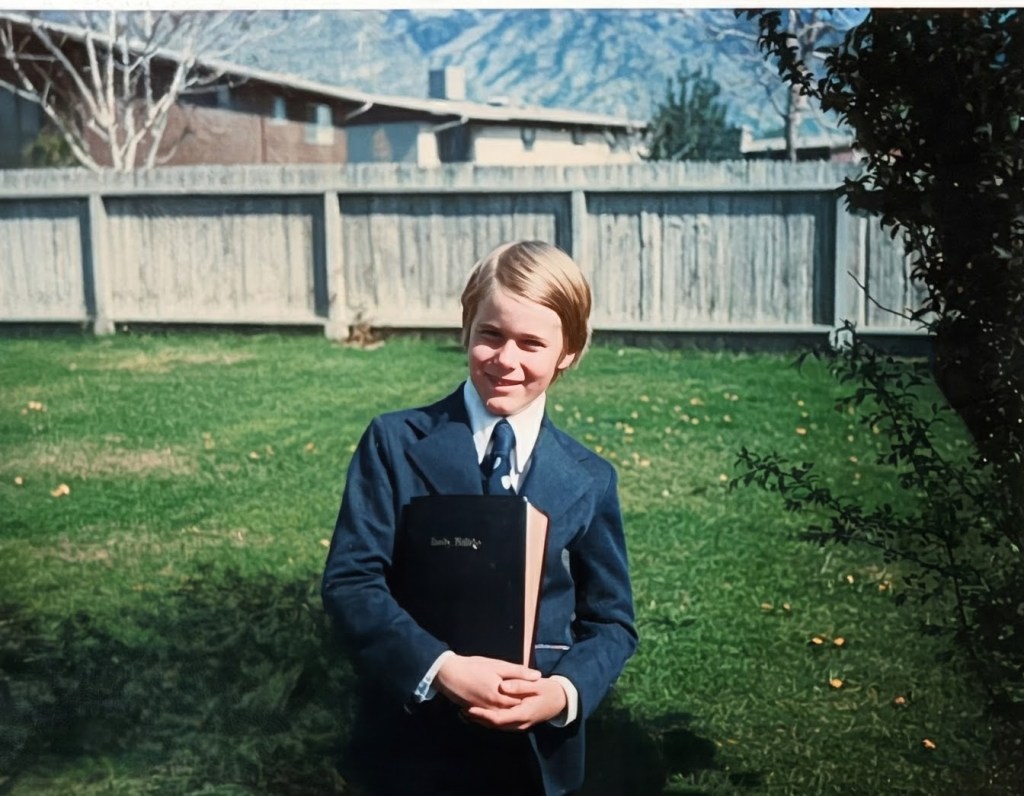
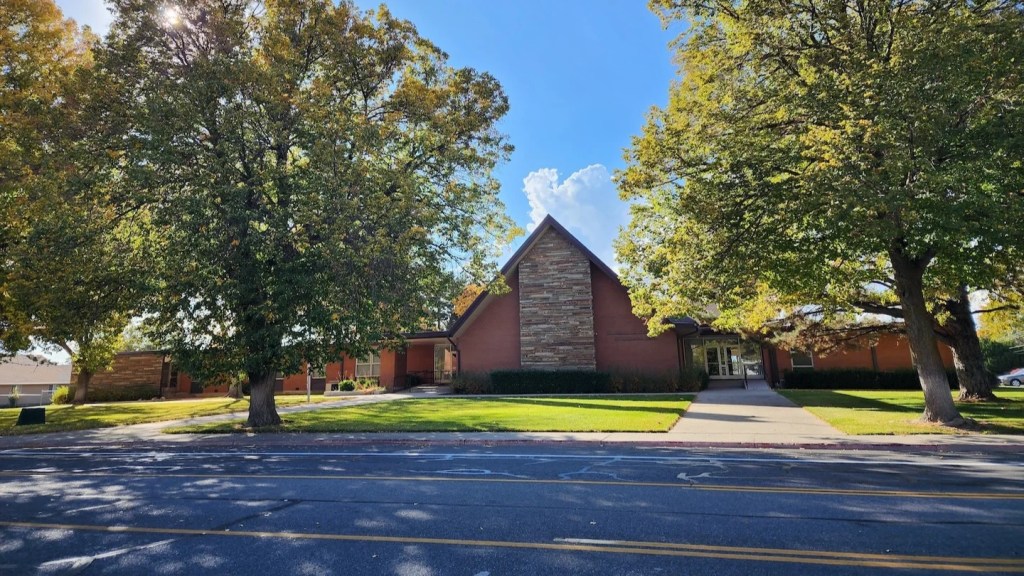
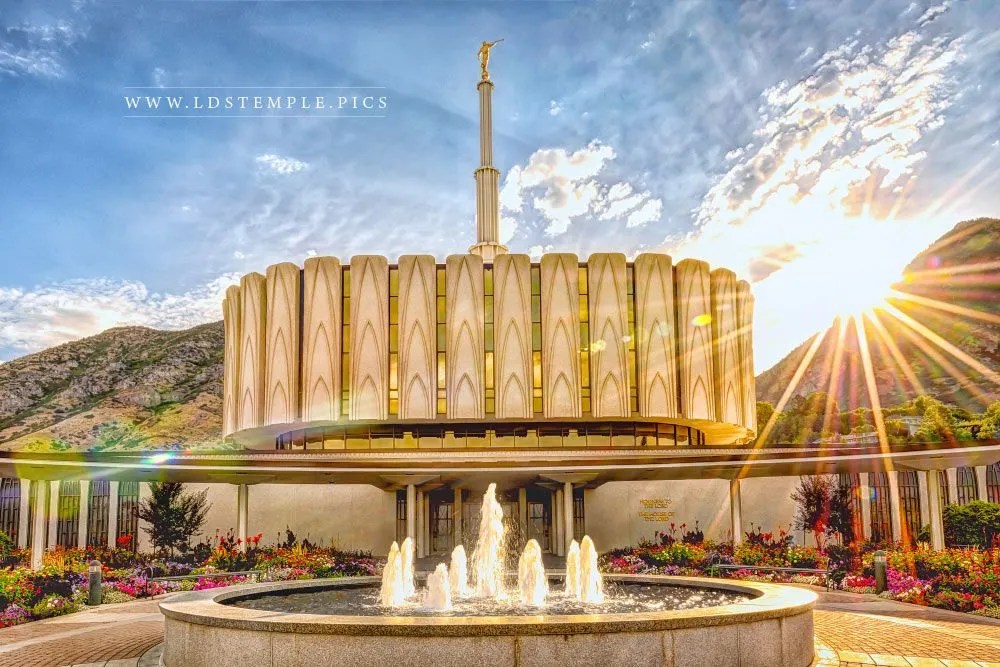

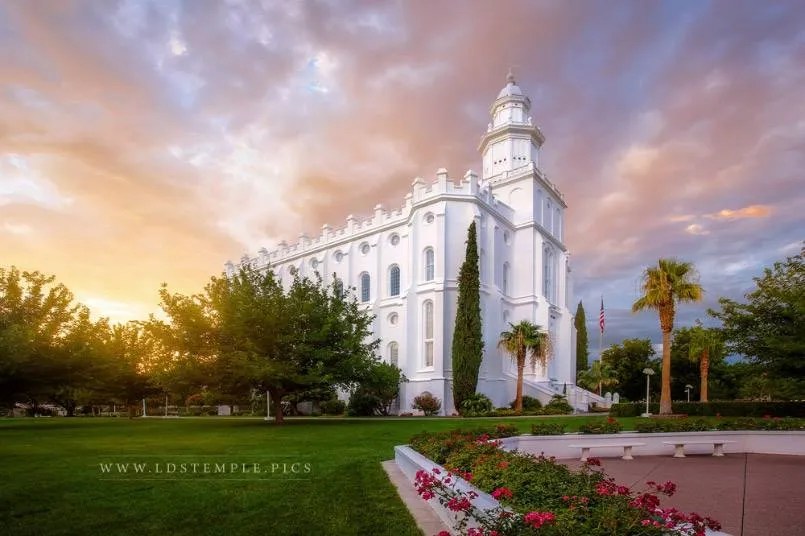
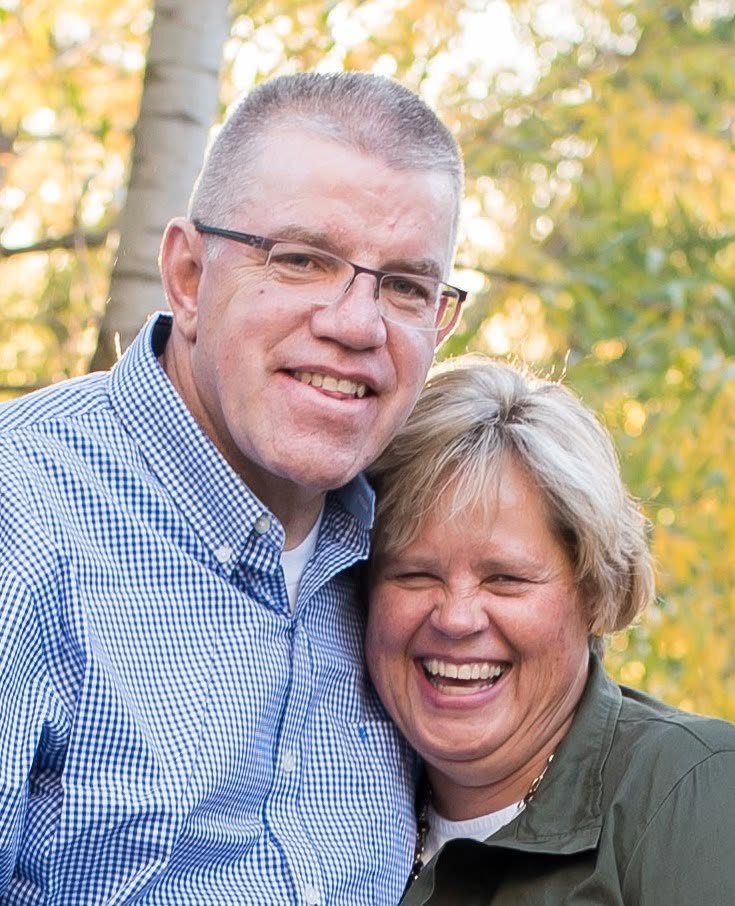
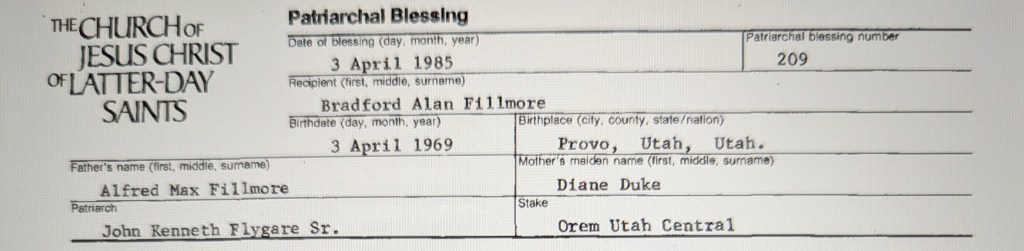
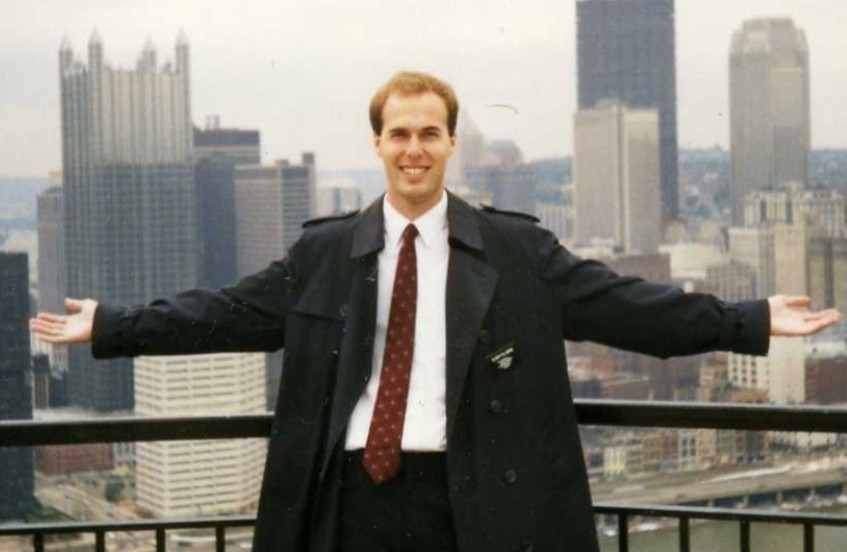
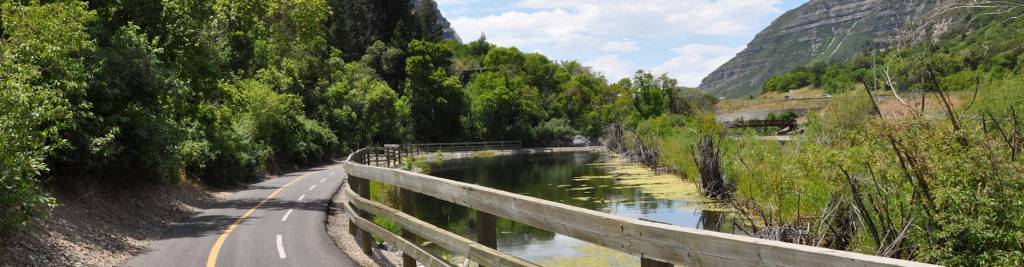
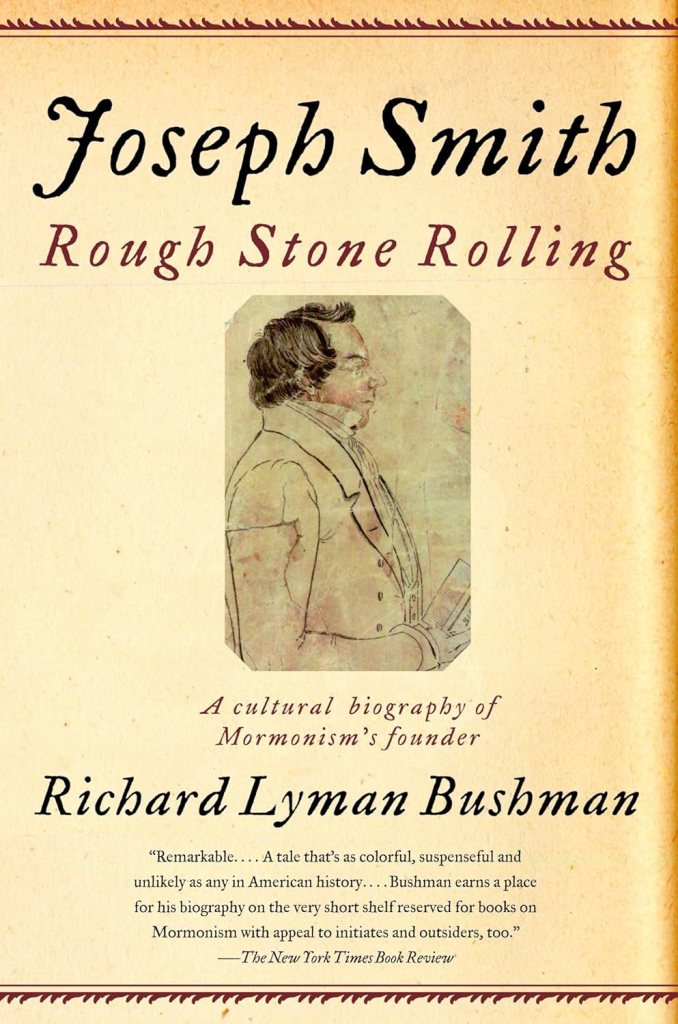
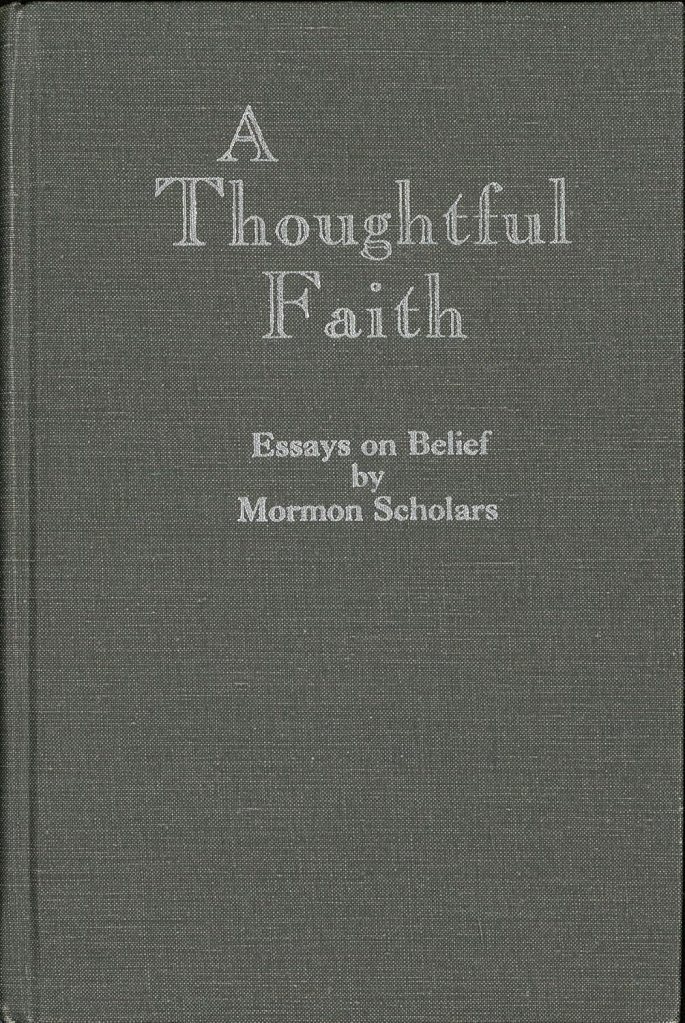
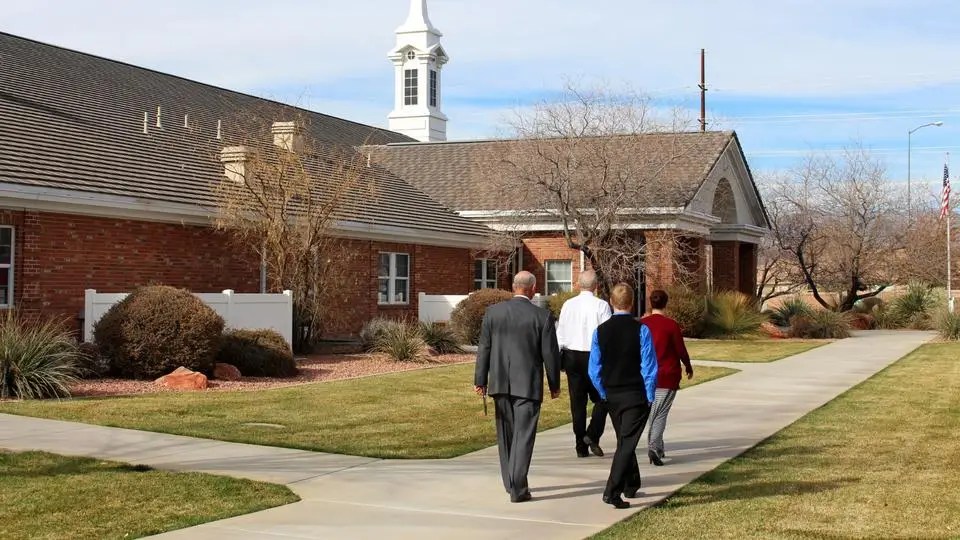

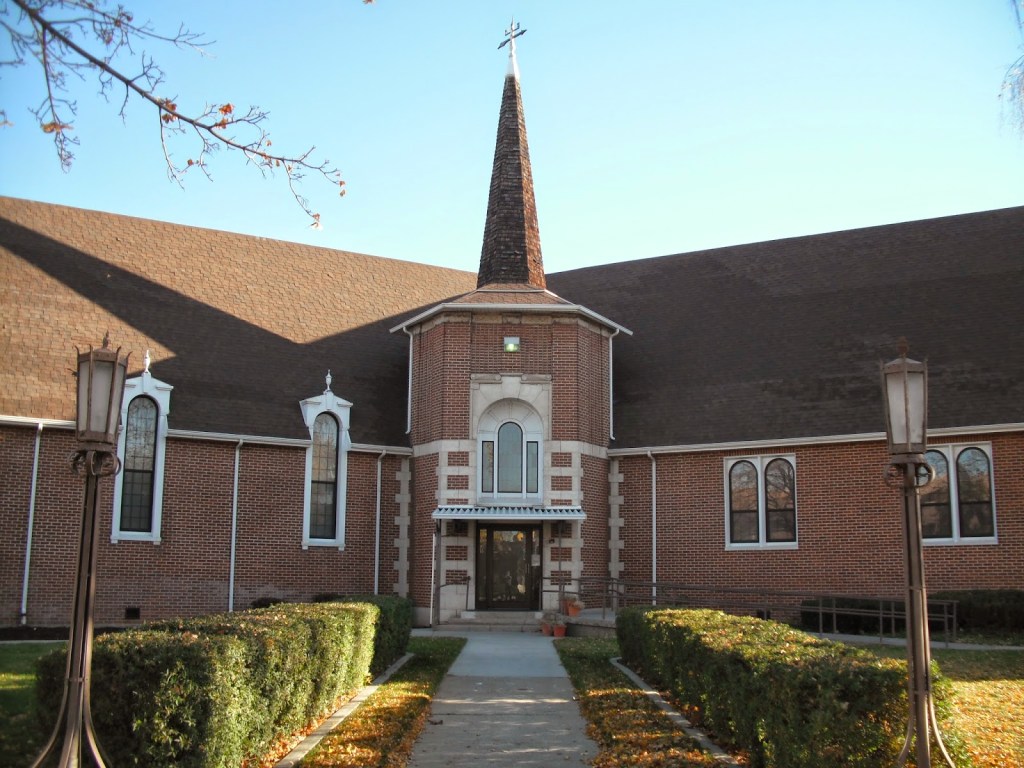

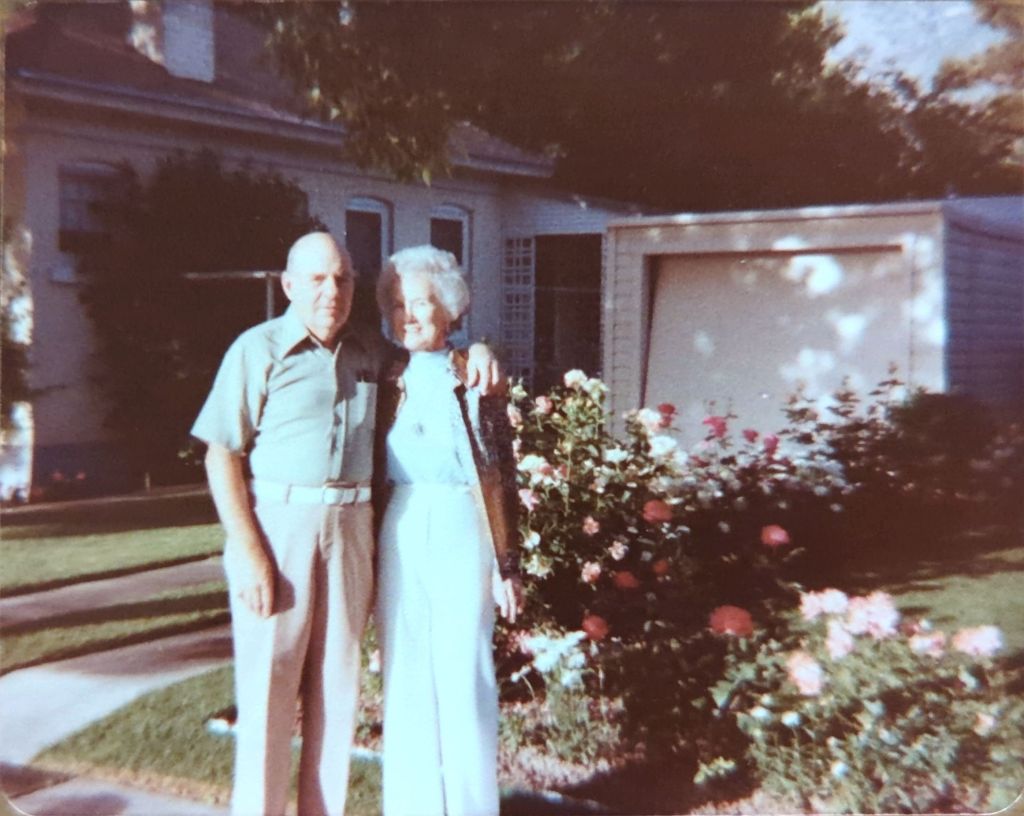
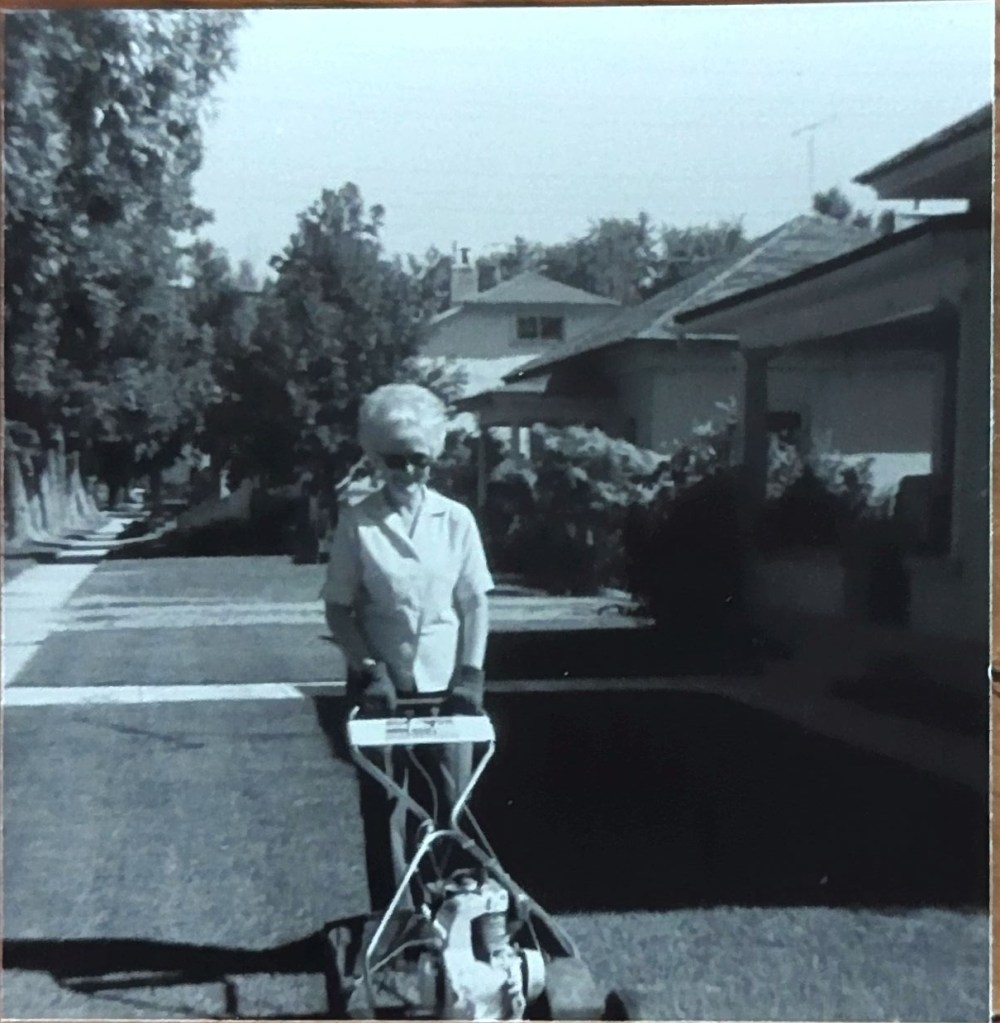
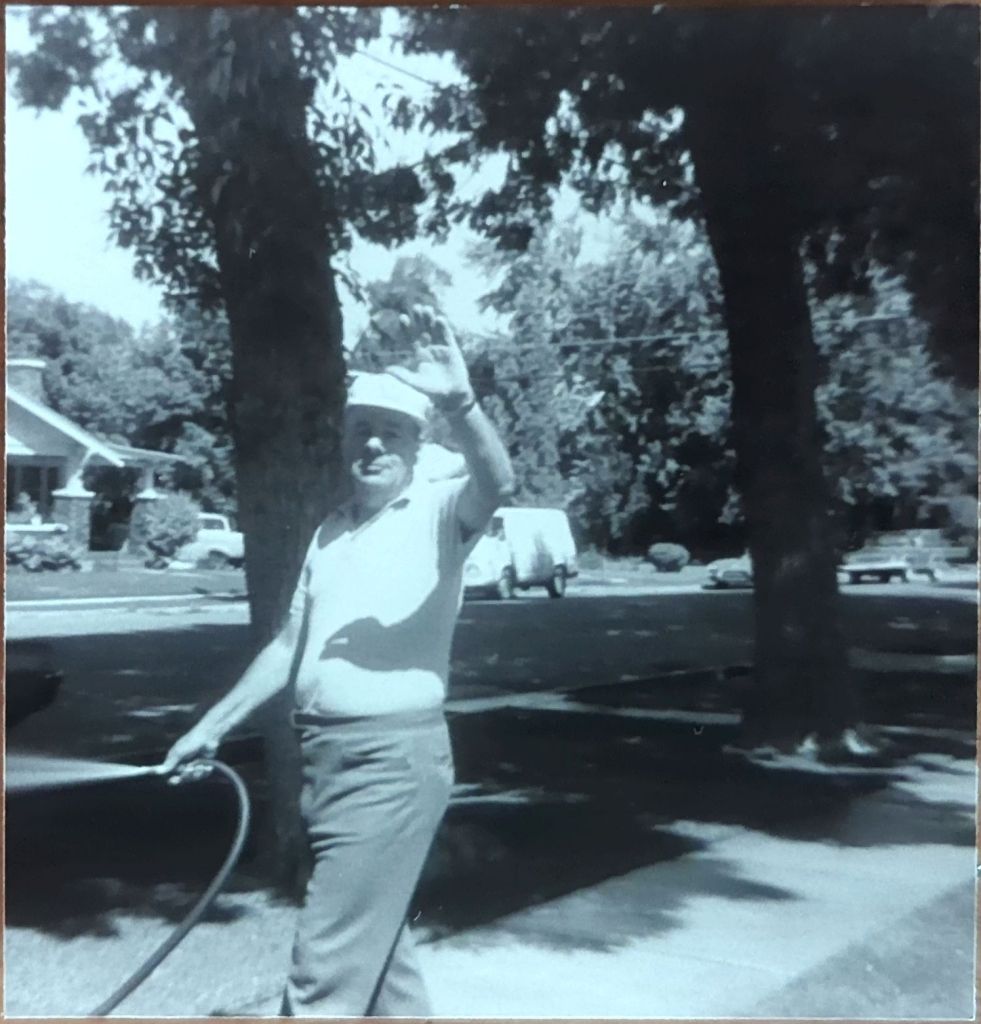
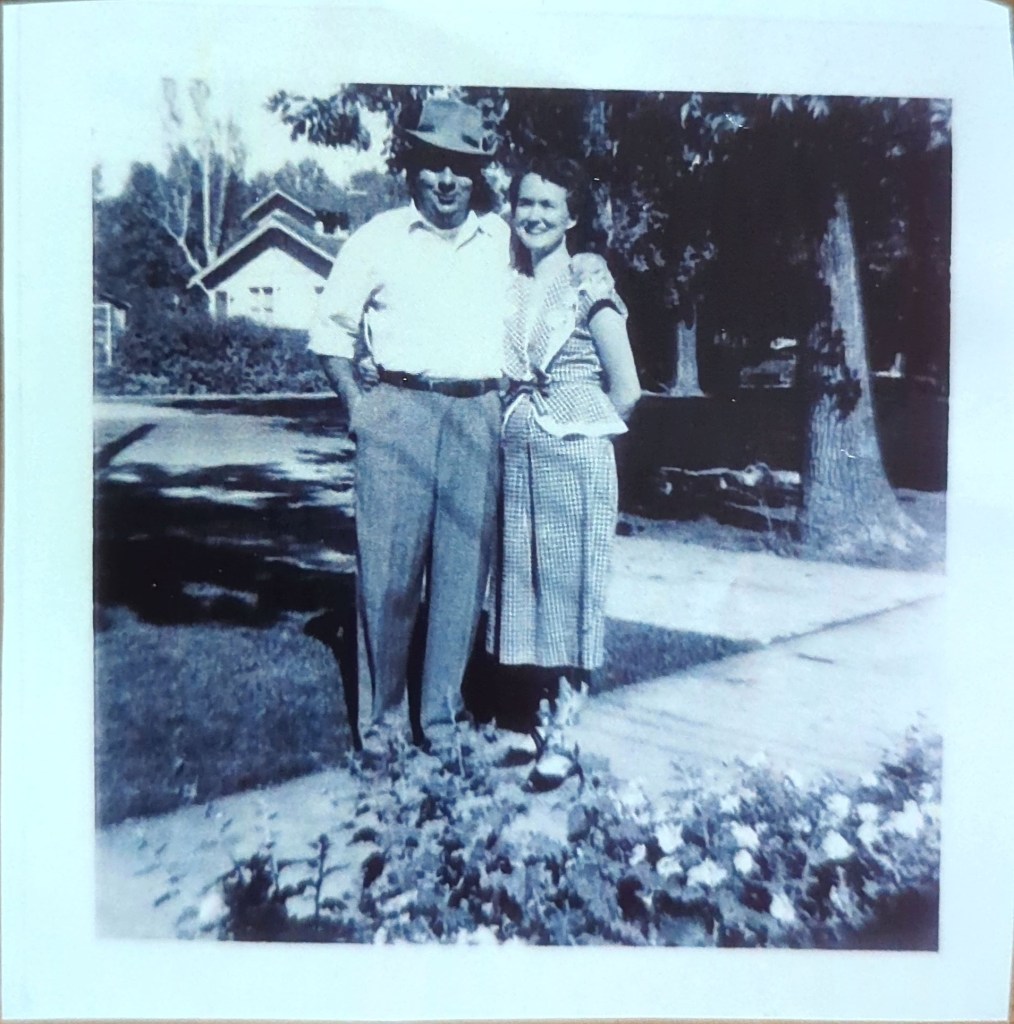
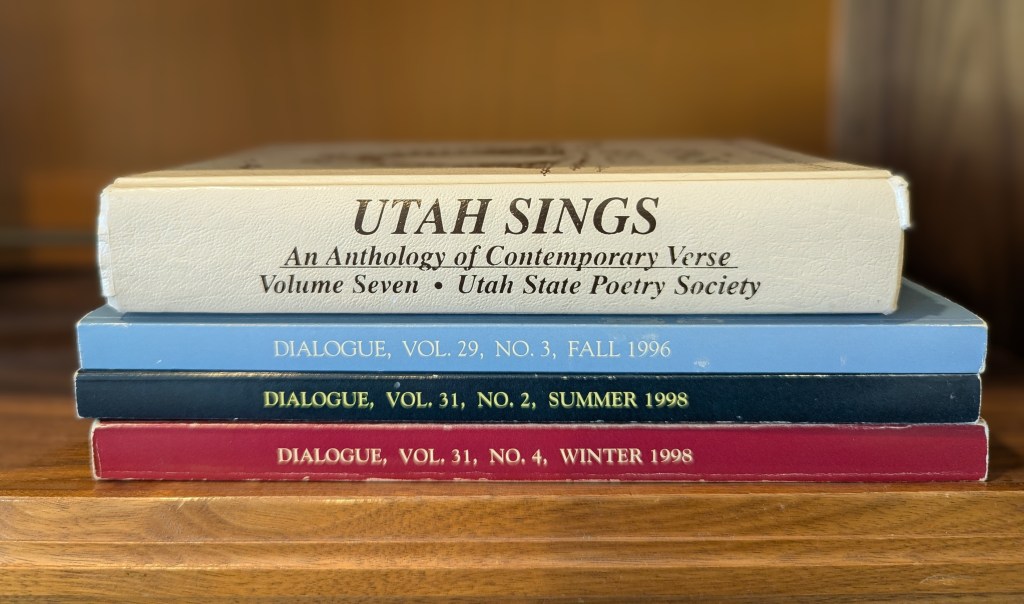

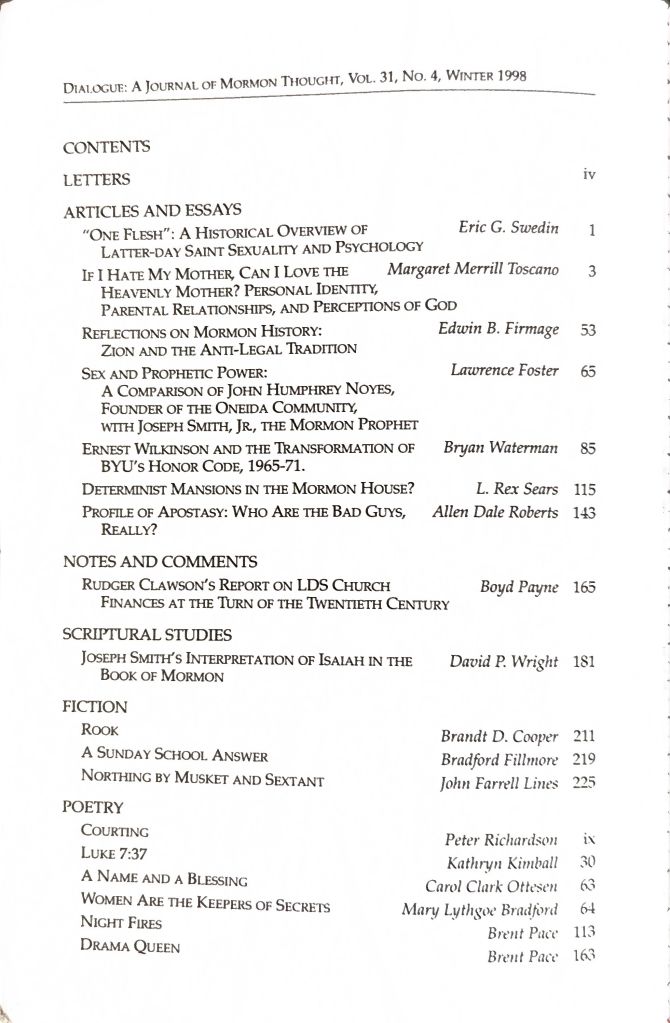
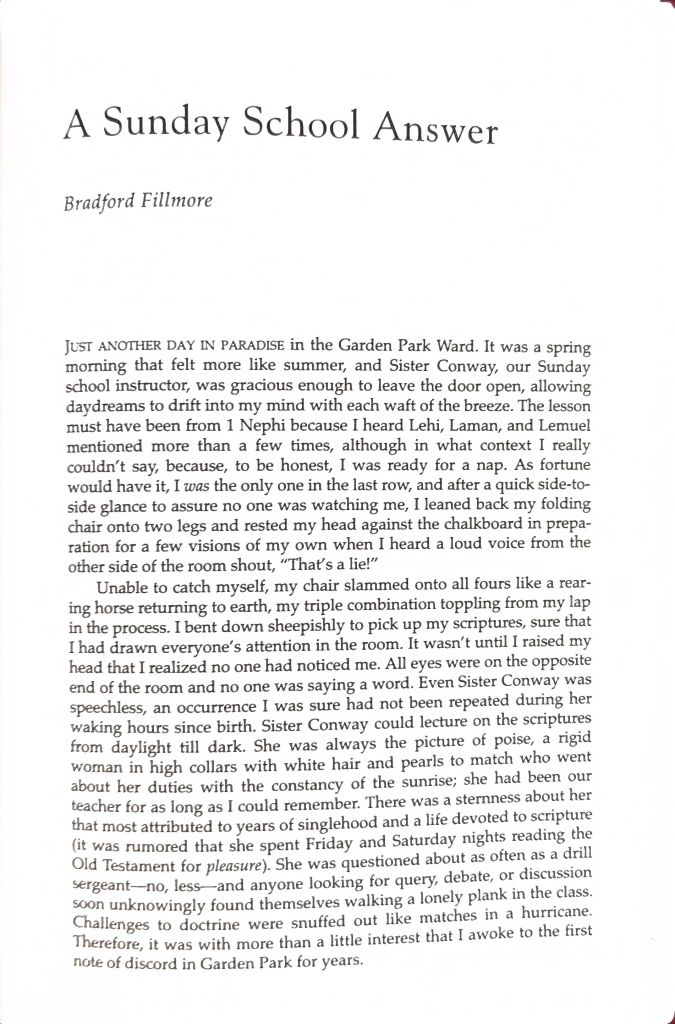
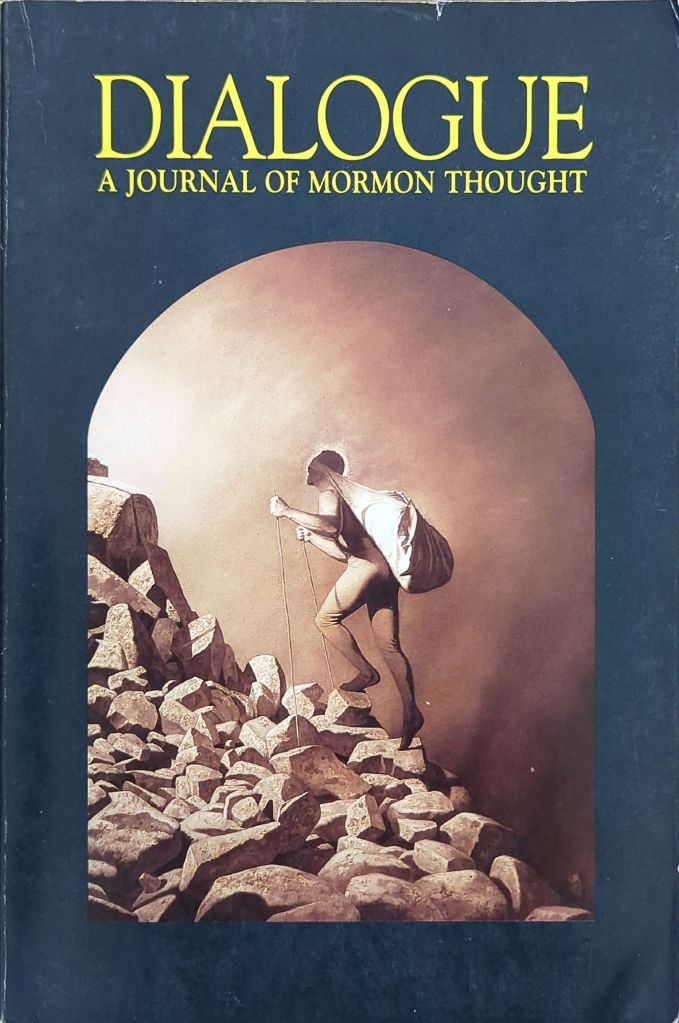
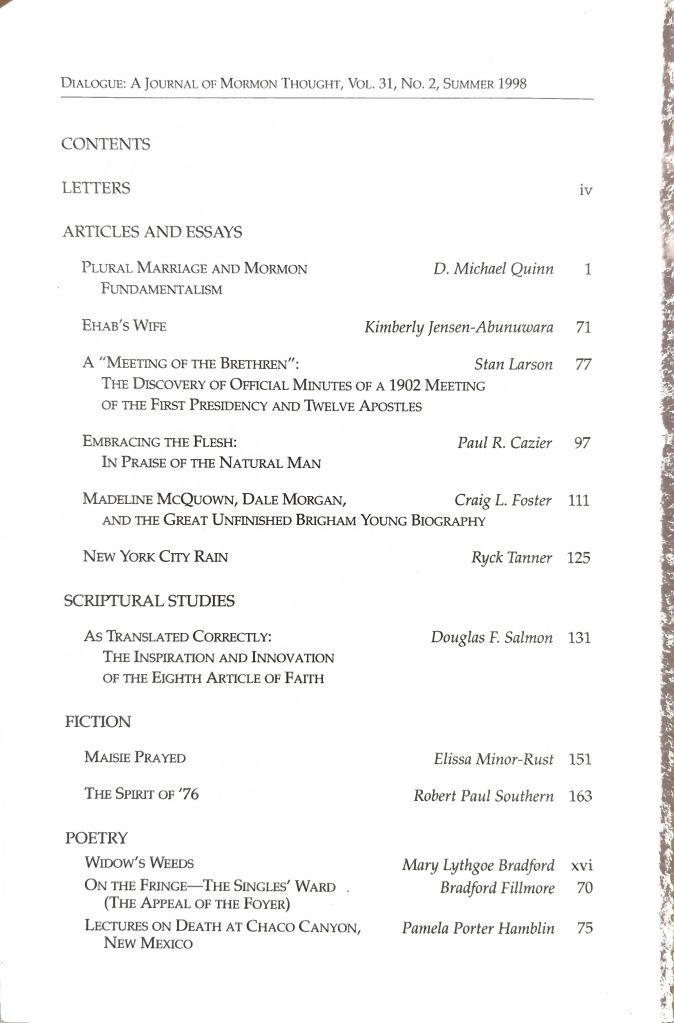
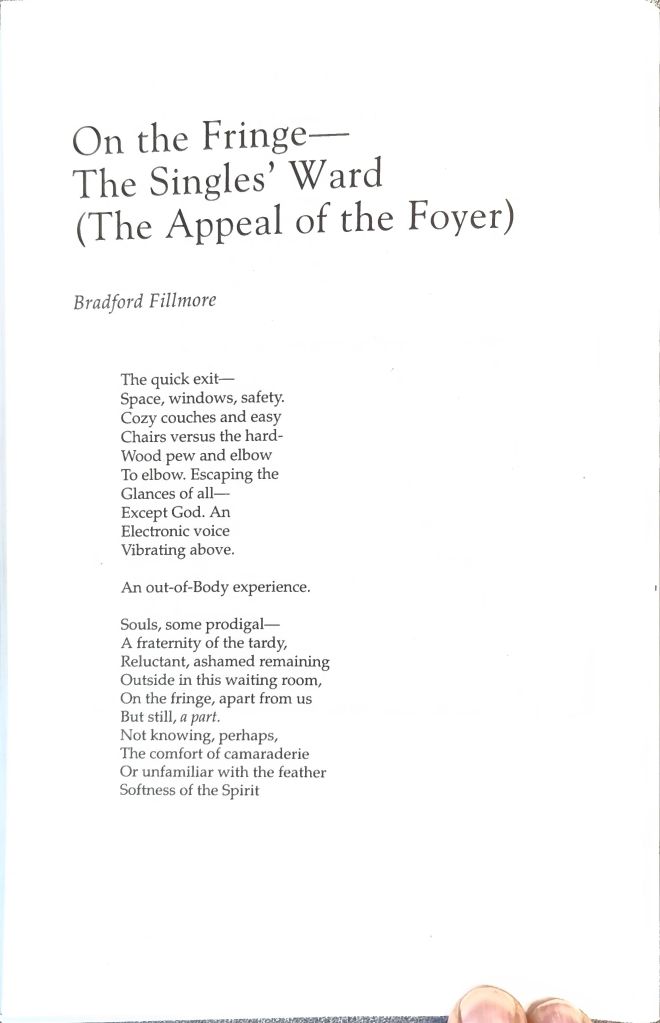
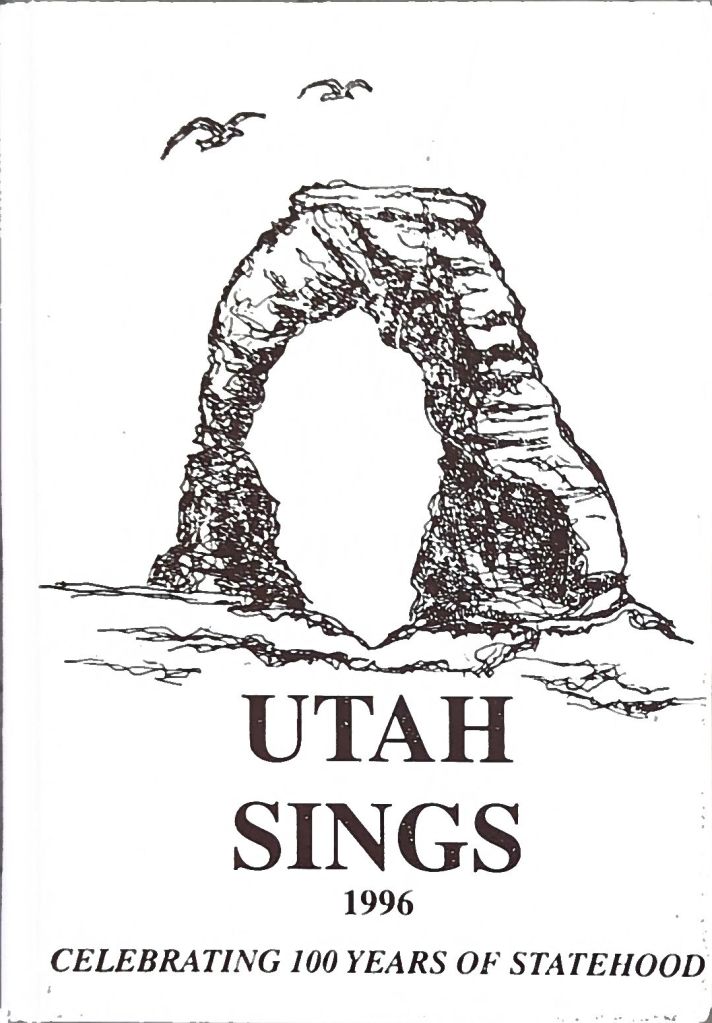
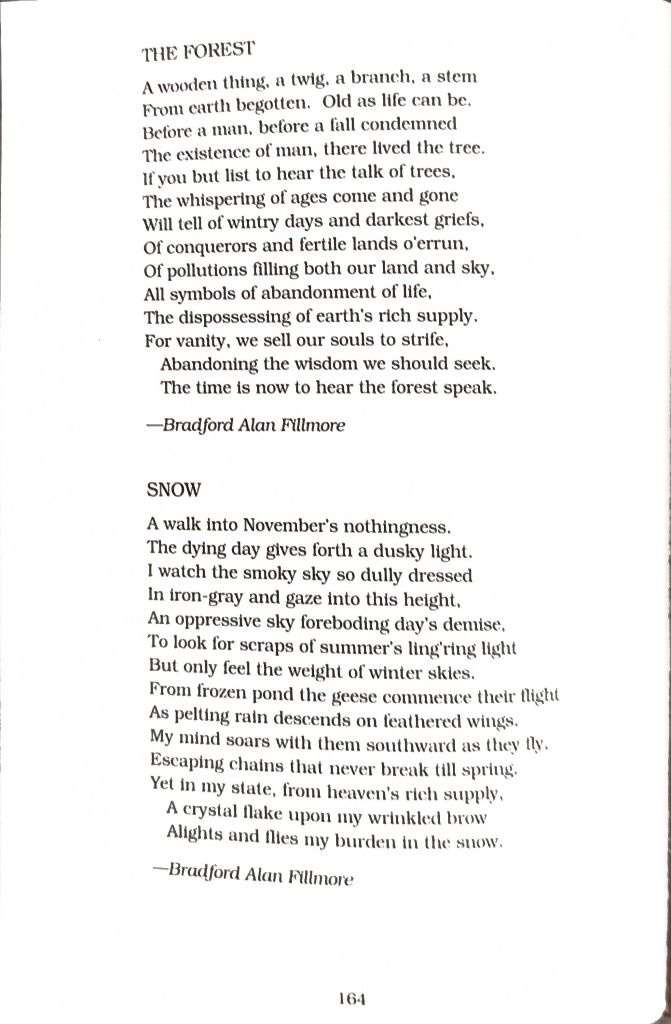
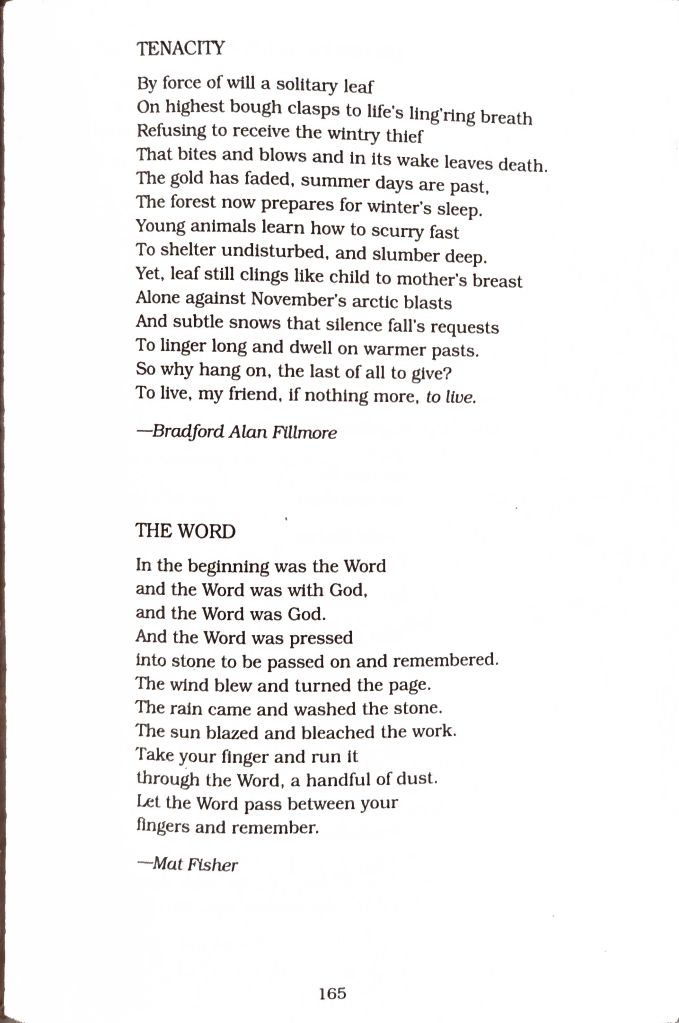
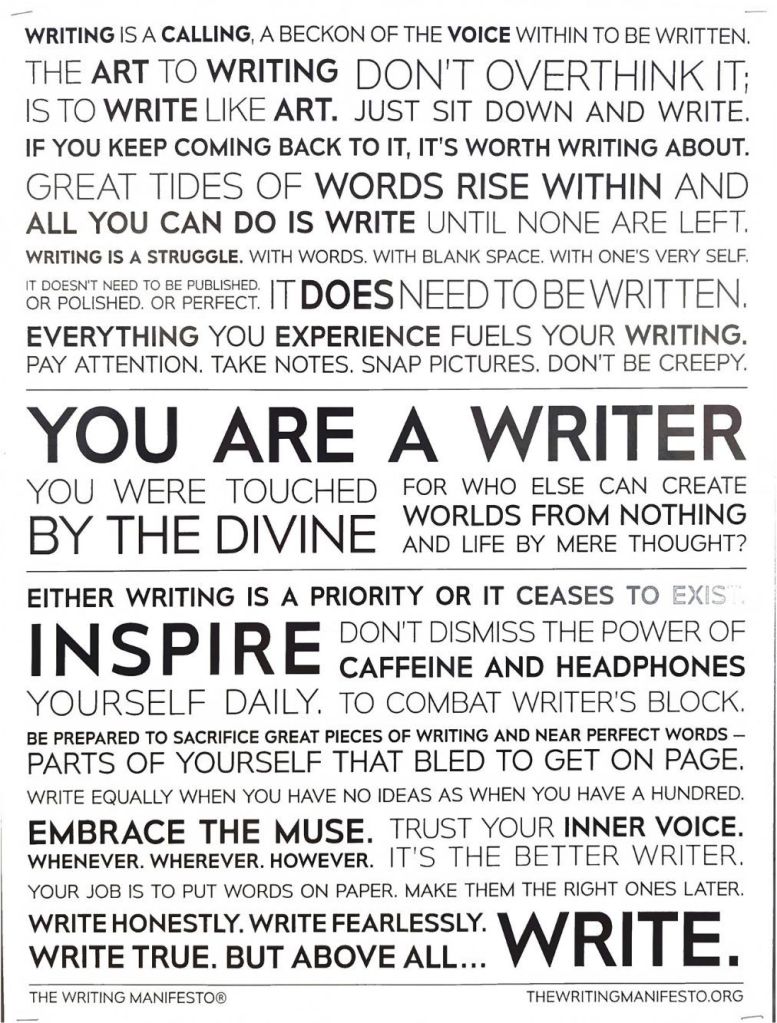

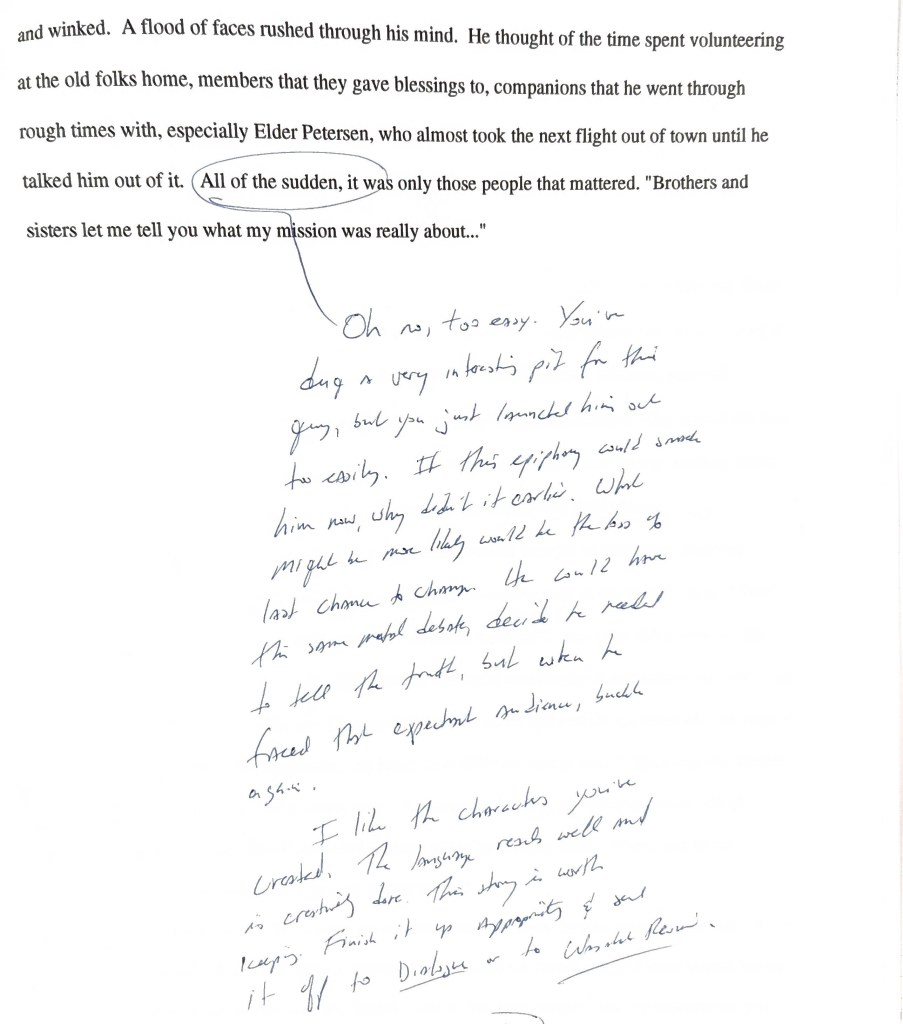
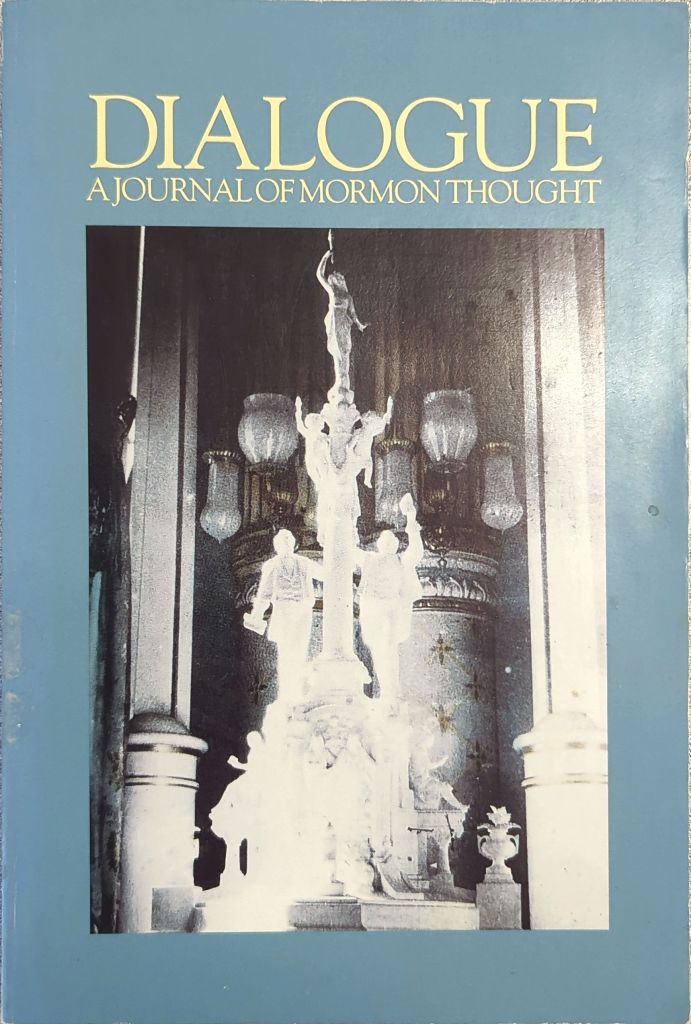
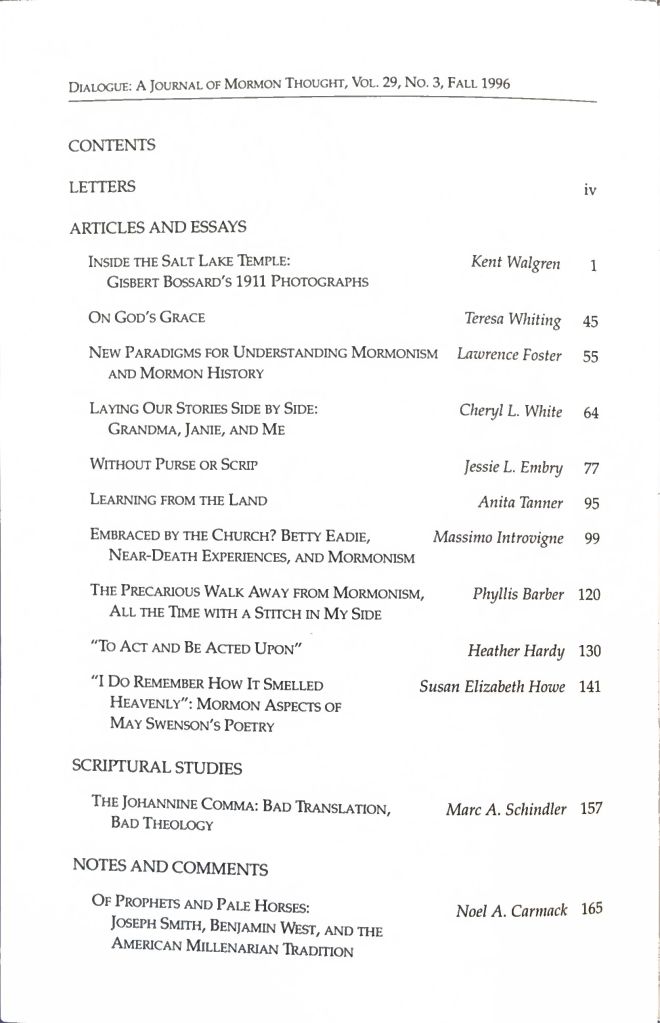
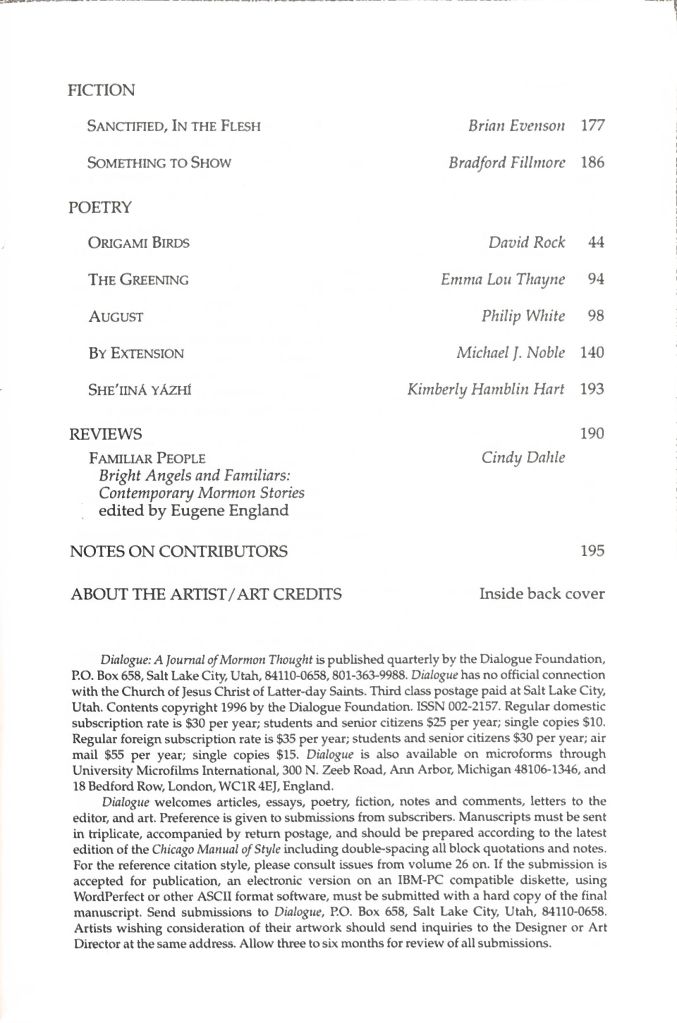
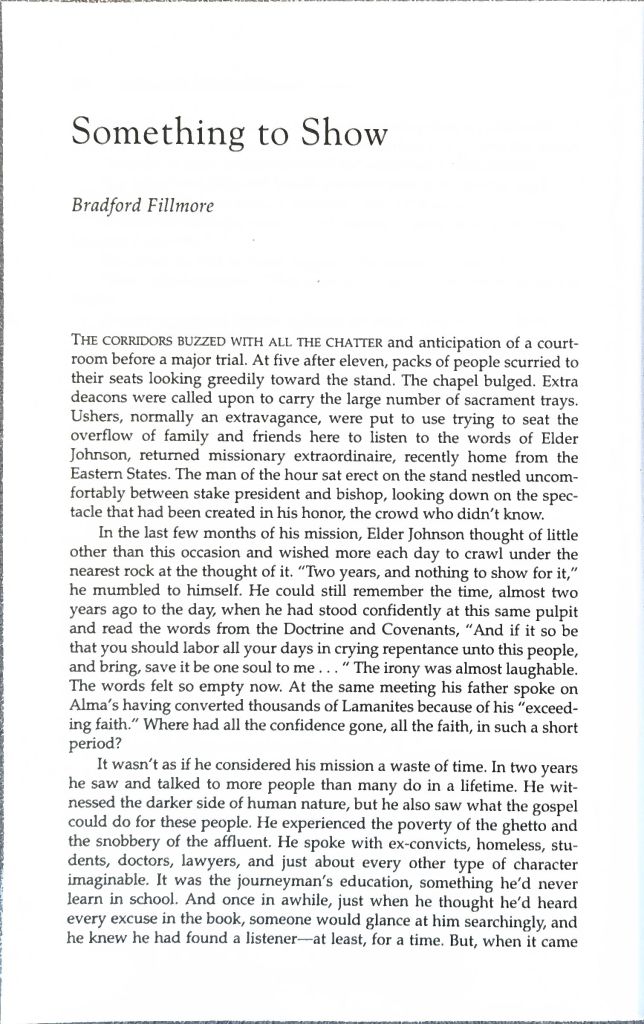
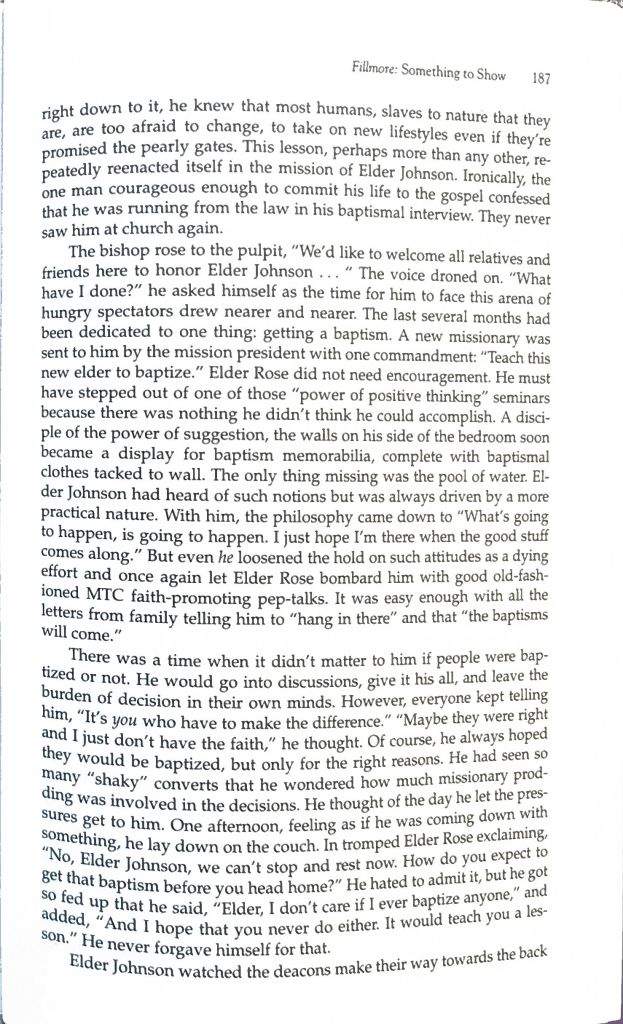
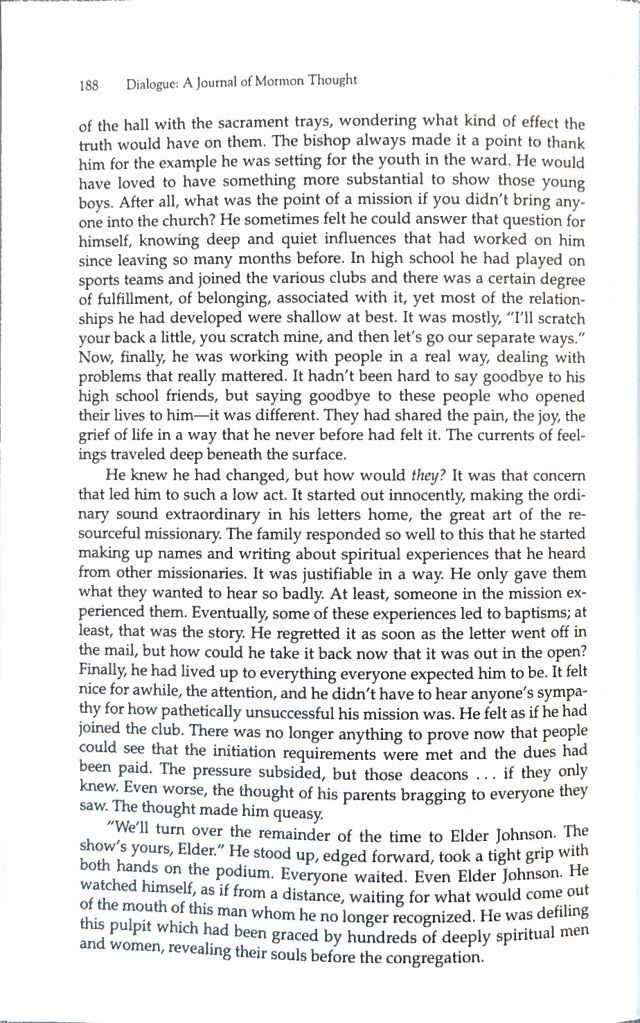
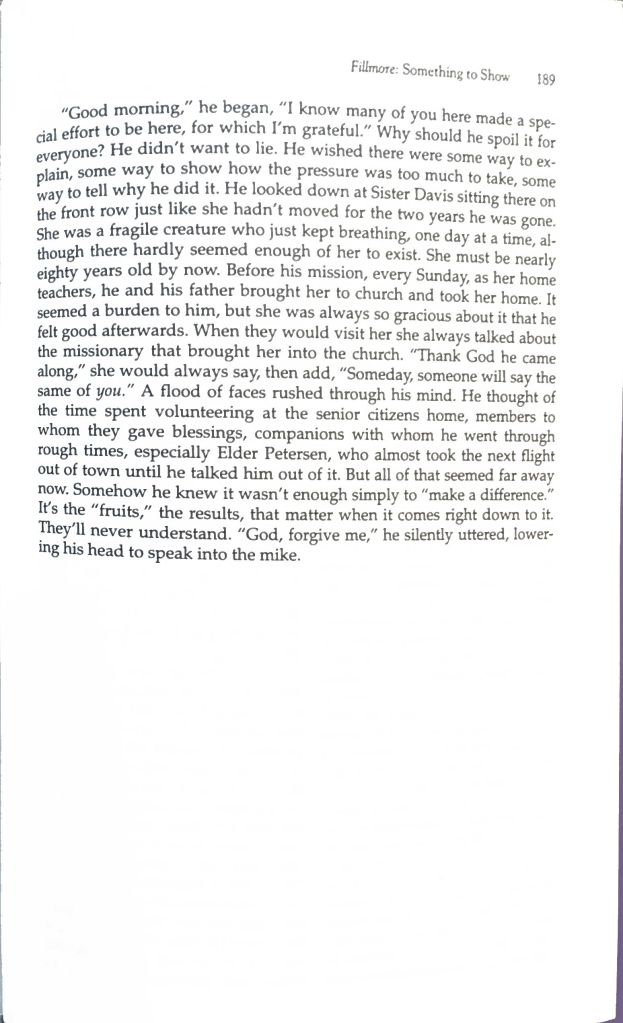

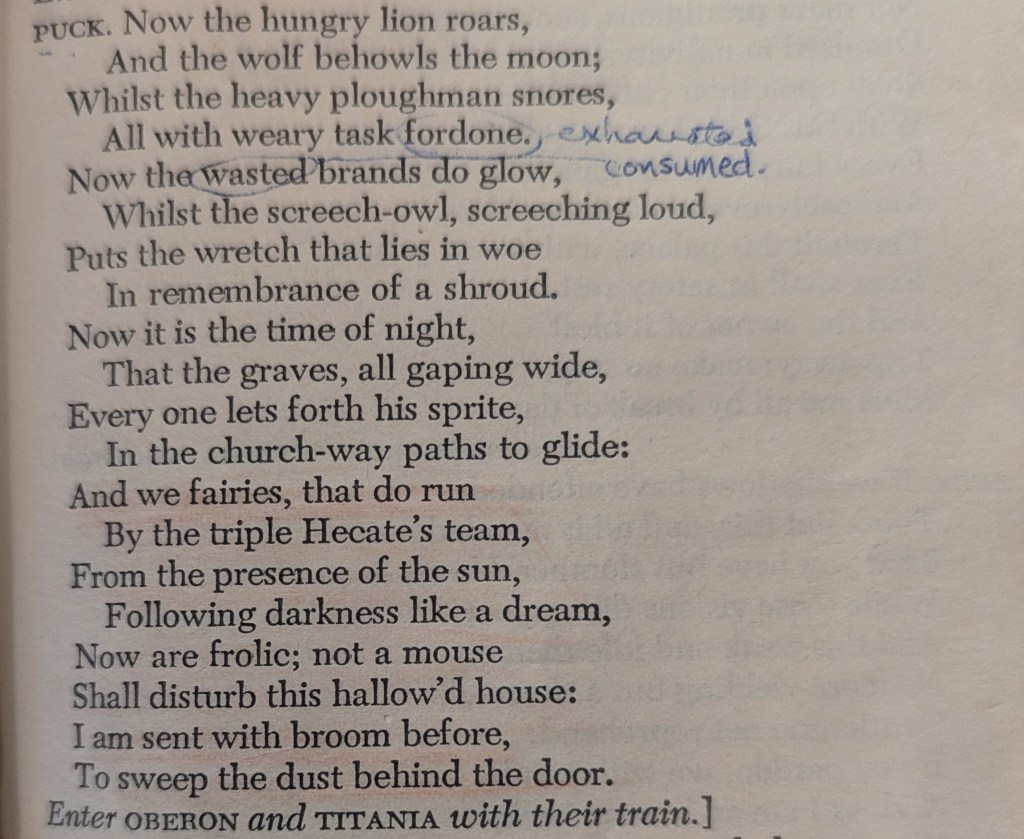
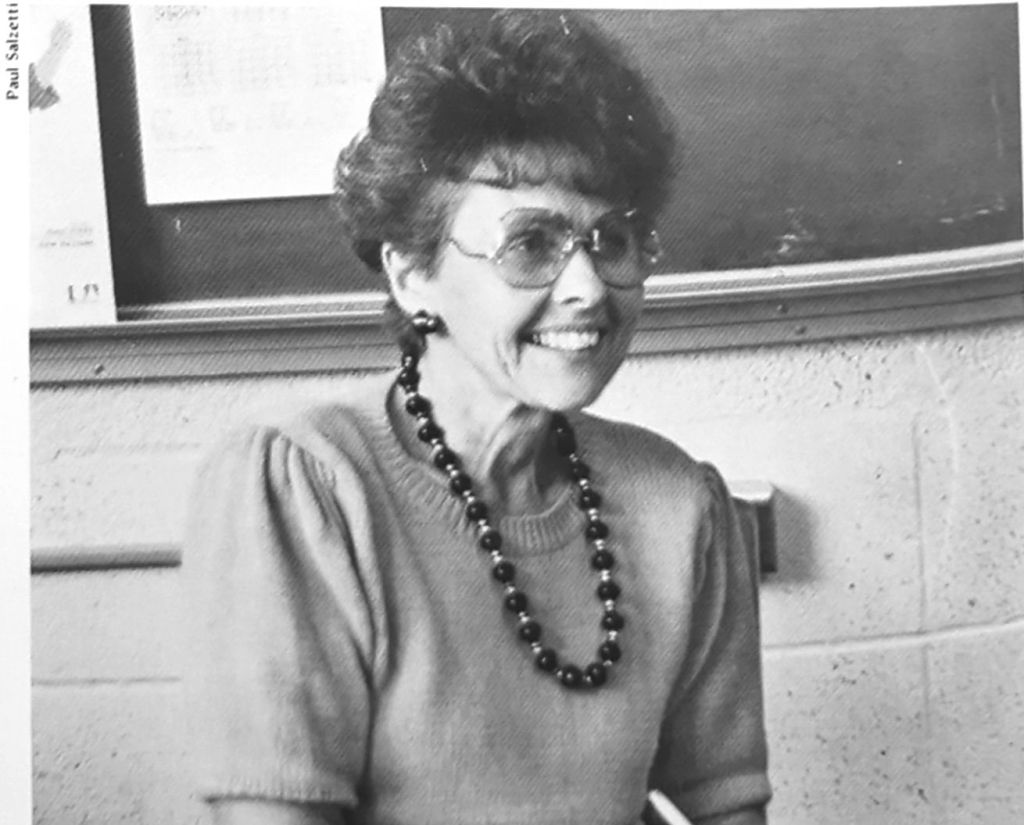

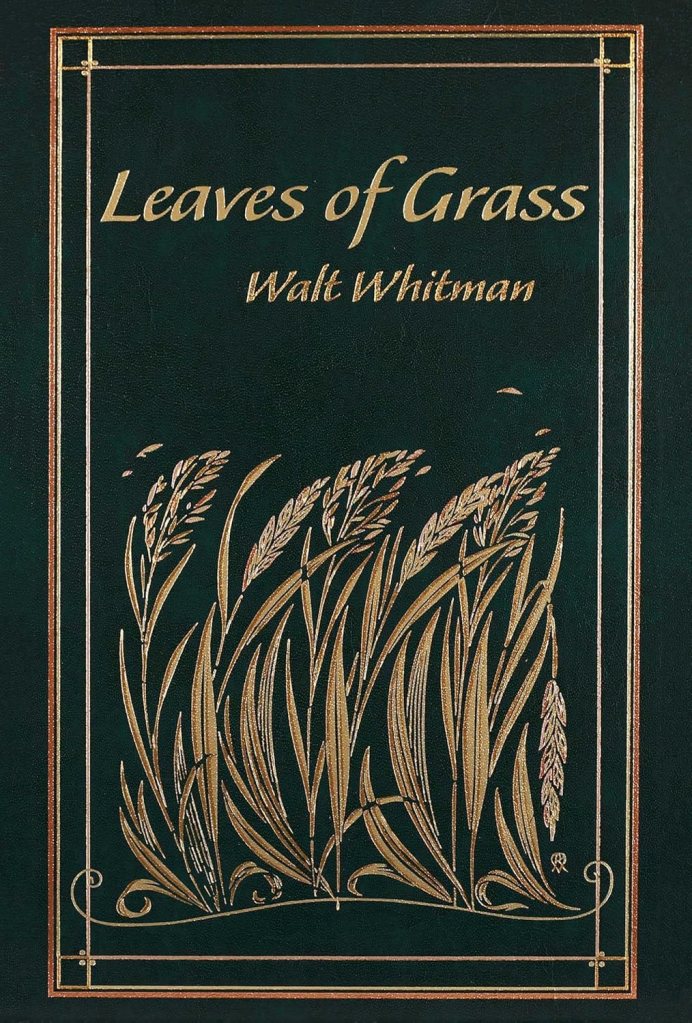
 My Song of Myself